
Thought For The Week

"Most people pay more for what goes on their head, than what goes in it"

Why Habits Fail and How to Make Change Stick
Why Habits Fail and How to Make Change Stick

You promised yourself this time would be different. You bought the journal, joined the gym, deleted the app, planned the meals, or committed to waking up earlier. For a few days, you felt powerful. Then life got busy, your energy dropped, and the old pattern returned. If you are asking why habits fail, the answer is not that you are lazy, broken, or incapable of change.

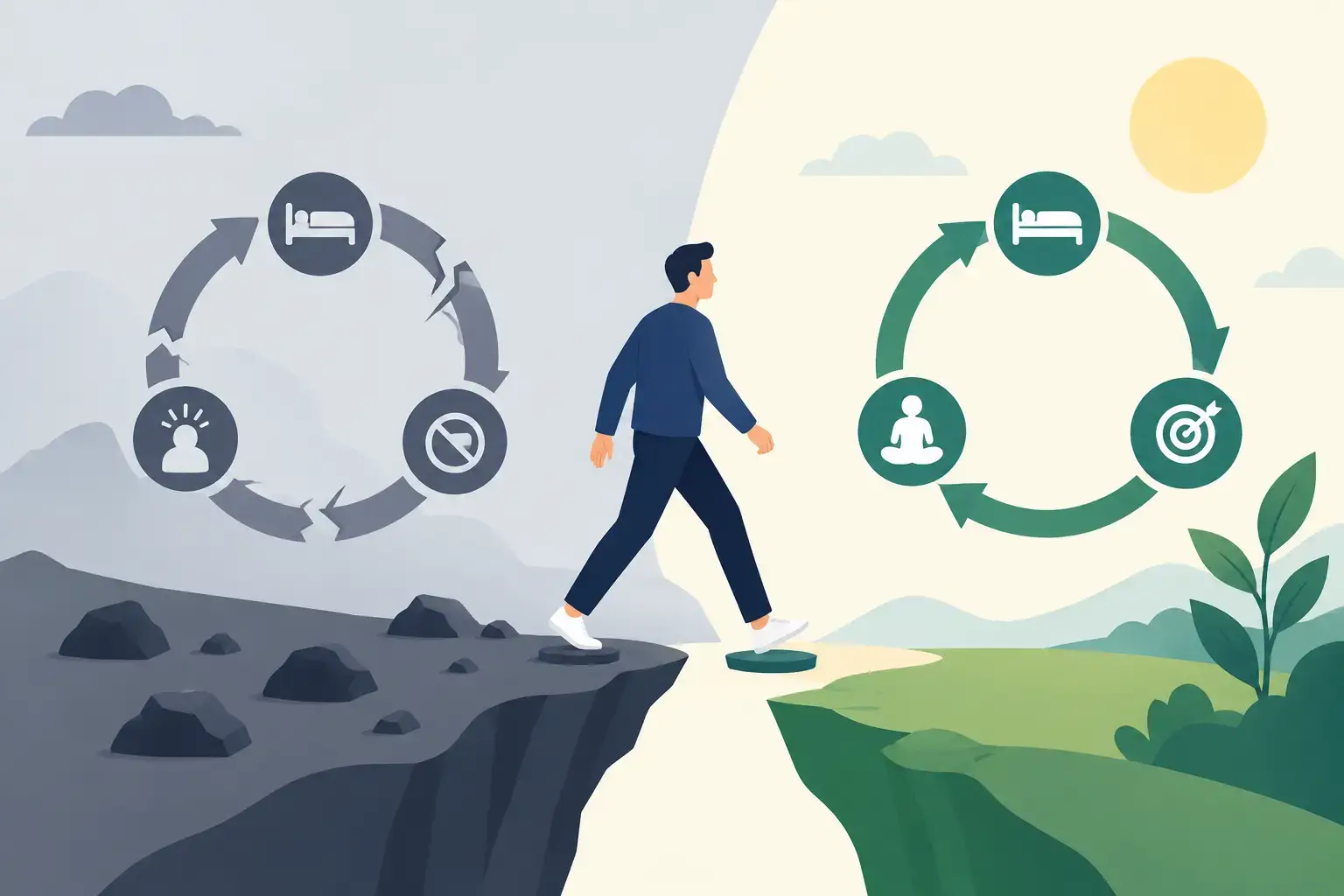
Most habits fail because people try to change their behavior without changing the emotional patterns, beliefs, and environments driving that behavior. You cannot build a new life by constantly fighting the mind that keeps pulling you back into the old one. Real change begins when you understand what the habit has been doing for you – even when it has been hurting you.

Why Habits Fail When Willpower Is the Whole Plan

Willpower can get you started. It is the burst of energy that helps you make a bold decision after a difficult day or a painful realization. But willpower is not designed to carry every decision forever. It weakens when you are tired, stressed, lonely, overloaded, or discouraged.

That is why someone can feel deeply committed on Sunday night and still order takeout, skip the workout, scroll for hours, or speak harshly to themselves by Wednesday. The desire to change may be real. But desire alone does not automatically create a system that can survive real life.

A habit built only on pressure tends to collapse under pressure. If your inner voice says, “I have to do this or I am a failure,” every missed day becomes proof that you cannot be trusted. That shame does not create discipline. It often creates avoidance.

The goal is not to become a person who never struggles. The goal is to become a person who knows how to return to themselves quickly after struggle.

Your Old Habits May Be Protecting You

This can be hard to admit, but even harmful habits often serve a purpose. Overeating may offer comfort. Procrastination may protect you from the fear of not being good enough. Staying quiet may feel safer than risking rejection. Drinking, scrolling, spending, or overworking may numb an emotion you have not known how to hold.

When you remove a coping habit without building a healthier way to meet the underlying need, your mind will naturally want to go back. It knows the old path. It associates that path with relief, familiarity, or safety.

This is not an excuse to stay stuck. It is an invitation to become more compassionate and more honest. Instead of asking, “Why do I keep messing up?” ask, “What am I trying to escape, avoid, soothe, or prove right now?”

That question creates space. And space is where a different choice becomes possible.

Change the Need, Not Just the Behavior

If stress drives you to abandon healthy eating, your plan needs more than a food rule. It needs a way to calm your nervous system after a hard day. If loneliness drives you to seek validation from people who drain you, your plan needs more than a promise to stop texting them. It needs connection, self-respect, and support.

The behavior is visible. The need underneath it is where the deeper work lives.

The All-or-Nothing Trap Keeps You Stuck

Many people do not fail because they lack commitment. They fail because their version of success is too extreme to sustain. They decide they will work out six days a week, meditate for 30 minutes every morning, never eat sugar, save aggressively, and suddenly become a completely different person.

The intention is inspiring. The setup is exhausting.

When life interrupts that plan, the mind says, “I ruined it.” One missed workout becomes a lost month. One emotional meal becomes a full weekend of giving up. One late morning becomes evidence that the routine is over.

This is all-or-nothing thinking, and it is one of the fastest ways to turn a small setback into a full retreat.

A lasting habit needs a minimum version. Not the ideal version – the version you can do when your day is messy, your motivation is low, and your confidence is shaky. Five minutes of movement counts. One page of journaling counts. A glass of water before coffee counts. Going to bed 15 minutes earlier counts.

Small actions do not look dramatic. But they send a powerful message to your mind: “I am still the person who shows up.”

Your Identity Has to Catch Up

You may want the results of a new habit while still carrying an old identity. You want to feel confident, but part of you still believes you are someone who always quits. You want financial peace, but you quietly identify as irresponsible with money. You want better health, but you speak about your body with resentment.

Your actions tend to follow the story you believe about yourself.

This is why affirmations alone are not enough, but they can be useful when paired with proof. Every small promise you keep becomes evidence that your old identity is no longer the whole truth. You are not trying to convince yourself of a fantasy. You are building a new record of who you are becoming.

Try replacing “I need to be more disciplined” with “I am learning to keep small promises to myself.” It is believable, compassionate, and active. It also gives you room to grow.

Stop Making the Habit a Test of Your Worth

A habit is a practice, not a verdict. Missing a day does not mean you are weak. Feeling resistance does not mean you are on the wrong path. It means you are human and you are working against patterns that may have been reinforced for years.

Your worth is not on trial every time you make a choice. The less you turn growth into punishment, the more likely you are to stay with it.

Make the Right Choice Easier Than the Old One

Motivation is unreliable. Your environment is often more powerful.

If your phone is beside your bed, late-night scrolling will require almost no effort. If your running shoes are buried in a closet, movement will require several decisions before you even begin. If your kitchen is filled with foods you eat when you are emotionally overwhelmed, you will have to use willpower at the exact moment you have the least of it.

Make your desired habit visible, simple, and ready. Put the book on your pillow. Prepare your water bottle the night before. Keep a notebook where you usually sit. Set out your workout clothes. Create distance from the habit you are trying to reduce by removing triggers, adding friction, or changing the routine that leads into it.

This is not about controlling every moment of your life. It is about giving your future self a fair chance.

Build Support Before You Need It

Private determination can be beautiful, but transformation is easier when you are not carrying it alone. Isolation gives old thoughts room to become loud and convincing. Support gives you perspective when you are tempted to quit.

That support may come from a coach, therapist, trusted friend, recovery group, or a daily practice that reminds you of the person you are becoming. What matters is consistency. You need something that meets you in the moments when your old patterns are strongest, not only when you already feel inspired.

This is why guided mindset work can be so powerful. A few intentional minutes each day can interrupt the automatic thoughts that lead to self-sabotage. Total Mindshift is built around that kind of steady reinforcement: practical guidance that helps you rebuild your thinking, one day at a time.

A Better Way to Restart

When you fall off track, do not wait for Monday, next month, or the perfect burst of motivation. Restart at the next decision. Make the next meal supportive. Take the next walk. Put the phone down for the next ten minutes. Speak to yourself differently in the next sentence.

That is how momentum returns – not through guilt, but through a small act of self-leadership.

You do not need a harsher plan. You need a plan that understands your real life, honors your emotional needs, and helps you keep moving when things are imperfect. Keep one promise to yourself today, however small it seems. Over time, those promises become the foundation of a life that finally feels like your own.

Leave a Comment

Social Media Success Agency
Scroll to Top

Fill Out Exercise

INTRODUCTION

This workbook is your private space for honest self-reflection. Take your time with each section. Write as much or as little as feels authentic to you. Your mentor will review your responses to better understand how to support you, but this is ultimately for your own growth and clarity.

Checkboxes

By signing below, I confirm my commitment to this life audit process:

Looking at your scores:

  • - Which area surprised you (higher or lower than expected)?
  • - Which low score bothers you the most?
  • - Which high score are you most grateful for?
  • PRACTICAL PREPARATION
    Checkboxes

    SUBMISSION NOTES Before submitting, ensure you have:

  • 1- Completed all sections
  • 2- Been honest in your responses
  • 3- Saved a copy for yourself
  • 4- Named the file correctly
  • Thank you for your openness and commitment. Your mentor will review this and provide feedback within 48 hours.

    INTRODUCTION

    This workbook will guide you through a detailed exploration of the 12 Life Domains. Take your time with each section. Be specific in your responses - vague answers lead to vague results.

    Before we dive deep, here are the 12 domains you'll be exploring:

    1. Professional Life & Career - Your work, skills, and professional identity
    2. Financial Wellness - Money mindset, habits, and security
    3. Physical Health - Body, energy, and vitality
    4. Mental & Emotional Wellbeing - Mindset, resilience, and inner peace
    5. Community – Friends and social connections
    6. Love & Partnership - Romantic life and intimacy
    7. Environment & Lifestyle - Daily routines and living space
    8. Purpose & Identity - Core values and life meaning
    9. Growth & Learning - Personal development and future vision
    10. Family Relationships – how you get on with parents, siblings etc.
    11. Hobbies – what you enjoy doing or would like to do
    12. Nutrition – your body’s fuel

    PART 4: PRIORITY SETTING

    Rank your domains by priority for improvement (1 = highest priority):

    Explain your top 3 priorities:

    SUBMISSION CHECKLIST
    Checkboxes

    INTRODUCTION

    This workbook guides you through a comprehensive examination of your professional life. Answer each question thoroughly - surface-level responses lead to surface-level insights.

    1. Describe your current professional situation:

    2. On a scale of 1-10, rate these aspects of your current work:

    3. Describe a typical workday from start to finish. How do you feel at each stage?

    4. What percentage of your work time is spent on: (Should total 100%)

    5. Complete these sentences

    1. List your last 3-5 positions and why you left each one

    Position 1

    Position 2

    Position 3

    Position 4

    Position 5

    5. What stories do you tell yourself about your career?

    5. What stories do you tell yourself about your career?

    1. What are your top 5 professional values?

    2. How well does your current work honour these values?

    2. What fears hold you back professionally?
    1. Based on everything above, what needs to change?
    SUBMISSION CHECKLIST
    Checkboxes

    INTRODUCTION

    This workbook explores your relationship with money - not just the numbers, but the beliefs, emotions, and patterns that drive your financial decisions. Answer honestly without judgment.

    1. When you think about money, what emotions come up?

    Complete these sentences:

    1. Growing up, money in my family was

    2. What did your parents/caregivers teach you about money through their words?

    3.What did they teach you through their actions?

    1. Do you know your exact: (Yes/No)

    3. Rate your financial health in these areas (1-10):

    4. What percentage of your income goes to (Should total 100%)

    5. Do you have:

    PART 4: SPENDING & EARNING PATTERNS

    1. What triggers you to spend money? (Check all that apply)
    4. How do you feel about your earning potential?
    2. Are you the one who: (Check all that apply)
    SUBMISSION CHECKLIST
    Checkboxes

    INTRODUCTION

    This workbook explores your relationship with your body and physical health. Approach each question with curiosity and compassion, not judgment. Your body is your lifelong partner - this is about understanding and supporting it better.

    1. Overall, how do you feel in your body right now? ( select one )
    4. What physical symptoms do you regularly experience? (Check all that apply)
    1. How would you describe your relationship with your body?
    1. How often do you engage in intentional movement/exercise?
    3. What prevents you from moving more? (Check all that apply)
    5. What's your relationship with exercise?

    PART 4: NUTRITION & NOURISHMENT

    3. What affects your sleep? (Check all that apply)
    4. How rested do you feel upon waking?
    How often do you listen to these signals?
    SUBMISSION CHECKLIST
    Checkboxes

    INTRODUCTION

    This workbook explores your inner world - your thoughts, emotions, and mental patterns. Approach each question with gentle curiosity. There's no judgment here, only understanding.

    1. How would you describe your typical mental state? (Circle all that apply)
    4. How do you typically handle difficult emotions?

    PART 3: THOUGHT PATTERNS

    1. What kind of self-talk dominates your mind?
    2. Common thoughts that run through your mind: (Check all that apply)
    3. How does stress manifest for you? (Check all that apply)
    4. Current coping strategies: (Check all you use)
    4. How often do you prioritize mental health?
    SUBMISSION CHECKLIST
    Checkboxes

    INTRODUCTION

    This workbook explores your social ecosystem - the relationships and connections that shape your life. Be honest about both the gifts and challenges in your relationships.

    2. Looking at your list:

    3. Rate the overall quality of your:

    1. In relationships, I tend to be the one who: (Check all that apply)
    2. What role do you typically play in groups?
    1. How would you describe your friendship circle?
    1. In relationships, are you better at:
    SUBMISSION CHECKLIST
    Checkboxes

    INTRODUCTION

    This workbook explores your intimate romantic world. Approach each question with honesty and compassion. Love is vulnerable territory - be gentle with yourself as you explore.

    1. My current relationship status:
    1. In relationships, I tend to: (Check primary pattern)
    4. Are you single because
    SUBMISSION CHECKLIST
    Checkboxes

    INTRODUCTION

    This workbook explores how your physical environment and daily lifestyle either support or hinder your wellbeing. Examine your spaces and routines with fresh eyes.

    2. What specific things in your environment bother you? (Check all that apply)

    Complete this declaration:

    SUBMISSION CHECKLIST
    Checkboxes

    INTRODUCTION

    This workbook explores the deepest questions: Who are you really? Why are you here? What matters most? Approach these questions with openness and patience. Your truth may surprise you.

    1. From this list, Check your top 10 values:
    SUBMISSION CHECKLIST
    Checkboxes

    INTRODUCTION

    This workbook explores your relationship with growth, learning, and personal evolution. Discover how you expand best and what's calling you forward.

    1. When faced with a challenge, my first thought is usually:
    2. My ideal learning environment includes:
    1. When something gets difficult, I typically:
    2. My relationship with failure is:
    1. What motivates you to grow? (Check all that apply)
    2. What stops you from growing? (Check all that apply)
    SUBMISSION CHECKLIST
    Checkboxes

    INTRODUCTION

    This workbook helps you identify patterns across all 12 domains and discover the root causes behind your challenges. Have your previous workbooks nearby for reference. (Some domains are outlined in the same workbook i.e., Relationships and Family, Physical Health and Nutrition, Environment and Lifestyle and Hobbies)

    1. I consistently tend to: (Check all that apply)
    3. My dominant emotional pattern is:

    (Create your own connections)

    SUBMISSION CHECKLIST
    Checkboxes

    INTRODUCTION

    This workbook synthesizes all your discoveries into a comprehensive Life Diagnosis. Be thorough and honest - this becomes your transformation roadmap.

    Trending
    SUBMISSION CHECKLIST
    Checkboxes

    INTRODUCTION

    This workbook guides you through creating your Life Architecture - the complete blueprint for your transformation. Build thoughtfully; this becomes your roadmap.

    1. Write 2-3 specific sentences about your transformed life:

    PROFESSIONAL LIFE & CAREER

    FINANCIAL WELLNESS

    PHYSICAL HEALTH

    MENTAL & EMOTIONAL WELLBEING

    RELATIONSHIPS & COMMUNITY

    LOVE & PARTNERSHIP

    ENVIRONMENT & LIFESTYLE

    PURPOSE & IDENTITY

    GROWTH & LEARNING

    MONTH 1-3 FOCUS:

    MONTH 4-6 FOCUS:

    MONTH 7-9 FOCUS

    MONTH 10-12 FOCUS:

    1. WHO I need on my team:

    2. WHAT resources I need:

    3. HOW I'll stay on track:

    MY NORTH STAR:

    MY IDENTITY SHIFT:

    MY TOP 3 PRIORITIES:

    MY FIRST 3 ACTIONS:

    This week I will:

    MY COMMITMENT:

    THE ARCHITECT'S DECLARATION

    SUBMISSION CHECKLIST
    Checkboxes