

Guided Meditation App Review for Real Change
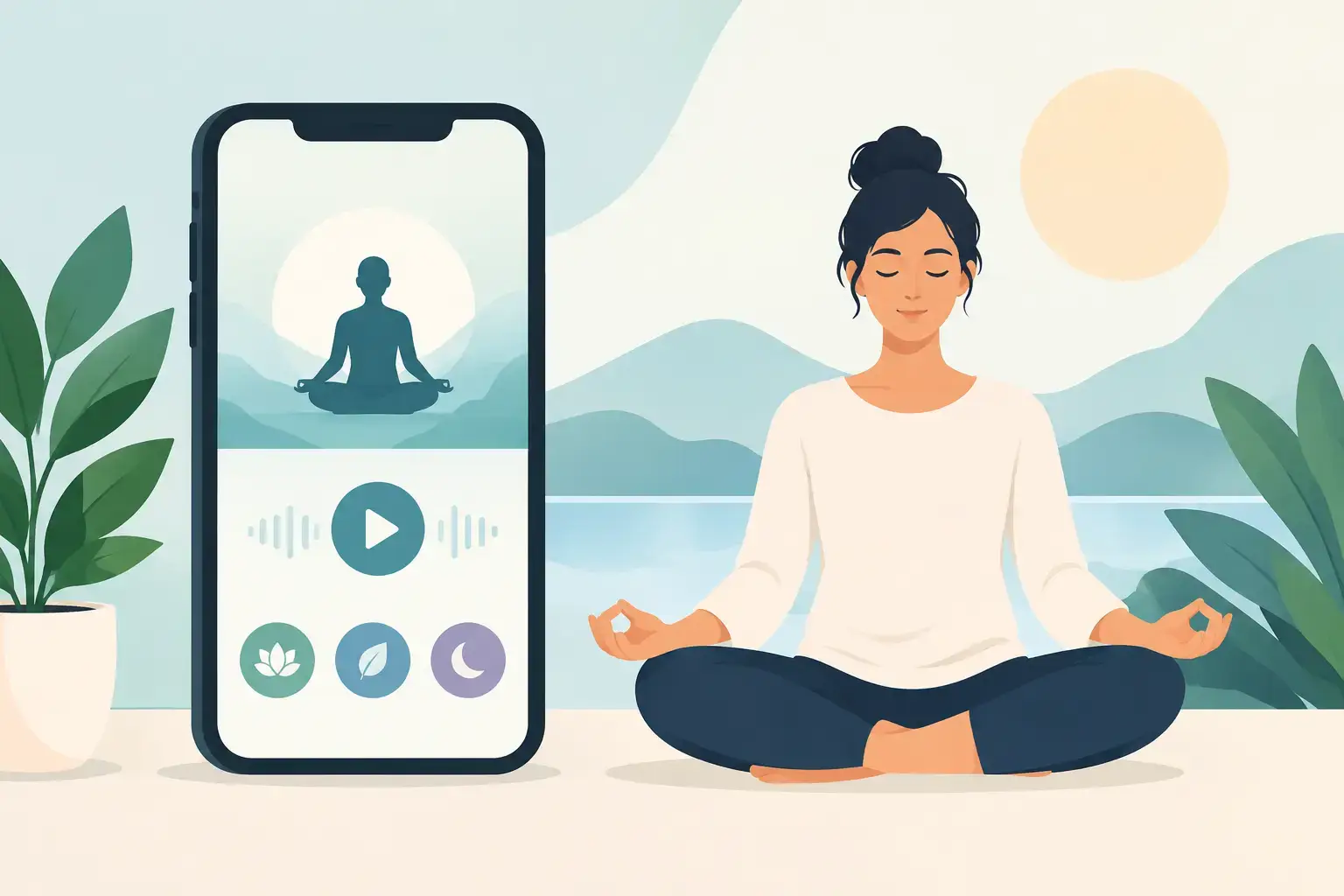
Your mind can change direction in a few quiet minutes, but only if the guidance reaches you when life feels messy. This guided meditation app review is for anyone who is tired of collecting wellness tools that sound good but never become part of real life. You do not need another app that leaves you alone with a timer. You need support that helps you interrupt the thoughts, habits, and emotional patterns keeping you stuck.
A meditation app can be a powerful starting point. It can also become another forgotten subscription. The difference comes down to whether it gives you a simple practice you will return to, guidance that speaks to your actual struggles, and a path beyond momentary calm.
What a Guided Meditation App Should Actually Do
Many apps promise better sleep, lower stress, sharper focus, and a more peaceful life. Those are worthwhile outcomes, but the strongest guided meditation programs go deeper. They help you notice the automatic story playing in your mind: “I am behind,” “I always fail,” “Nothing will change,” or “I cannot handle this.”
That awareness matters because you cannot shift a pattern you refuse to see. A helpful meditation does not shame you for feeling overwhelmed or distracted. It gives you a steady place to return to, then helps you choose a more supportive response.
For someone rebuilding confidence, recovering from a difficult season, or trying to create healthier habits, relaxation alone is not always enough. You may need guidance that combines calm with intention. The best sessions leave you feeling more grounded, yes, but also more capable of taking the next right action.
Guided Meditation App Review: What Matters Most
When evaluating an app, start with the quality of the voice and the message. The guide does not need to sound perfect or overly polished. They need to sound present, clear, and trustworthy. If the language feels cold, generic, or disconnected from real human struggle, you may stop using it when you need it most.
Look for meditations that address the moments you actually face. That could mean anxiety before work, racing thoughts at night, emotional eating, low self-worth, grief, burnout, or the urge to quit on a goal. A giant library is not automatically better. A smaller collection that helps you find the right practice quickly can be far more useful.
Length is another major factor. Ten to twenty-minute meditations can create a meaningful reset, but short sessions matter too. On a hard day, a three-minute pause may be what keeps stress from turning into an argument, a binge, a shutdown, or another choice you regret. A good app respects both your ambition and your reality.
Consistency deserves more attention than novelty. New themes and soothing background music can be enjoyable, but transformation is built through repetition. Find an app that makes it easy to return daily, even when your motivation is low. The goal is not to have one beautiful meditation experience. The goal is to train your mind to come home to itself again and again.
Calm Is Valuable, but Change Requires Practice
Meditation is sometimes sold as an escape from life. It can absolutely give your nervous system room to breathe, especially when everything feels loud. But the deeper opportunity is learning how to meet life with a different mind.
Imagine you listen to a morning meditation before checking your phone. Instead of beginning the day in reaction mode, you set an intention to stay patient, focused, and honest with yourself. Later, when frustration shows up, you are not magically free of it. You simply have a stronger pause between the feeling and the behavior.
That pause is where change begins.
The same is true at night. A sleep meditation may quiet your mind, but it can also become a moment to release the day without carrying every disappointment into tomorrow. Over time, these small practices can weaken the habit of catastrophizing and strengthen your belief that you can handle what is in front of you.
Still, it depends on what you need. If your main struggle is occasional stress, a broad relaxation app may be enough. If you are working to break cycles of self-sabotage, build discipline, recover your confidence, or create a new direction for your life, choose guidance that is more intentional than background noise.
Signs an App May Not Be Right for You
Do not force yourself to love an app just because it is popular. If you repeatedly open it and feel overwhelmed by choices, bored by the delivery, or unsure what to listen to, pay attention. The right tool should lower friction, not create more of it.
Be cautious when an app relies on vague promises but offers little practical direction. Beautiful visuals and calming soundscapes have their place, yet they cannot replace meaningful guidance. You should finish a session with a clearer emotional state, a useful perspective, or a simple action to carry into your day.
It is also reasonable to consider cost. A premium subscription can be worth it if you use it consistently and the content genuinely supports your well-being. But expensive does not automatically mean effective. Take advantage of free trials when available, test the app during a normal week, and ask yourself one honest question: Did this help me show up differently in my life?
How to Make a Meditation App Work for You
The app is not the transformation. You are. Think of it as a supportive guide that helps you practice the identity you are building: calmer, stronger, more self-aware, and more committed to your own life.
Choose one dependable time for your first session. Morning works well if you want to set the emotional tone for the day. Evening may be better if your thoughts tend to spiral when things get quiet. Do not wait for the perfect schedule. Attach the practice to something you already do, such as making coffee, sitting in your car before work, or getting into bed.
Start smaller than your ego wants. Five minutes done daily will take you farther than a thirty-minute session you avoid for two weeks. Let consistency become proof that you can keep a promise to yourself.
After each meditation, take one breath before moving on. Ask, “What do I want to carry with me from this?” Maybe it is patience. Maybe it is the courage to send the message, take the walk, decline the distraction, or begin again after a setback. That small reflection turns listening into action.
If you miss a day, do not turn it into a story about failure. Return the next day. A missed practice is not evidence that you lack discipline. It is simply a chance to practice returning.
Choose Guidance That Feels Like Support
The most effective meditation experience often feels personal. You want to hear words that remind you that your current struggle is not your final identity. You want a guide who can hold space for pain without allowing you to stay trapped in it.
That is why mentor-led audio support can be especially powerful. Rather than offering only isolated meditations, it can help you build a daily relationship with your own growth. Programs such as Total Mindshift are designed around that bigger purpose: not just helping you feel better for a few minutes, but helping you create healthier thought patterns and lasting momentum.
There is no single best app for every person. Some people need sleep support. Others need emotional regulation, self-belief, addiction recovery support, or a daily reminder that they are still allowed to want more from life. Choose the guidance that meets you honestly, then use it long enough to let the practice become part of who you are.
Your next meditation does not need to fix everything. Let it be one quiet decision that says: I am no longer willing to abandon myself.
Latest Post
Guided Meditation App Review for Real Change
November 20, 2026
No Comments

Confidence Coaching for Men That Creates Change
November 18, 2026
No Comments

A Confidence Rebuilding Example You Can Follow
November 16, 2026
No Comments