
Key Takeaways
- Emotional stability is a skill — not being emotionless but creating space between what happens and how you respond so feelings don’t control your choices.
- Calm the body first: use simple grounding (both feet on the floor, drop shoulders, slow exhales, name five things), and protect basics like sleep, meals, movement, hydration, and reduced notifications.
- Stop treating every thought as fact: create distance with “I am noticing the thought that…,” and ask: what happened without interpretation, what am I telling myself it means, and what’s another possible explanation?
- Build self‑trust through small, repeatable promises (make the bed, five minutes of journaling, a short walk); consistency, not perfection, creates confidence and repair after slips.
- Give emotions a place to go and protect your peace: process feelings through writing, movement, or safe conversation (avoid rumination), set clear boundaries, keep a short reset plan for hard days, and seek professional help if emotions feel unmanageable.
A difficult email, an argument at home, a financial worry, a bad night’s sleep – and suddenly your whole day feels hijacked. If you are wondering how to improve emotional stability, start here: the goal is not to become emotionless. The goal is to stop letting every emotion take control of your choices.
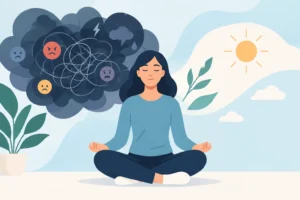
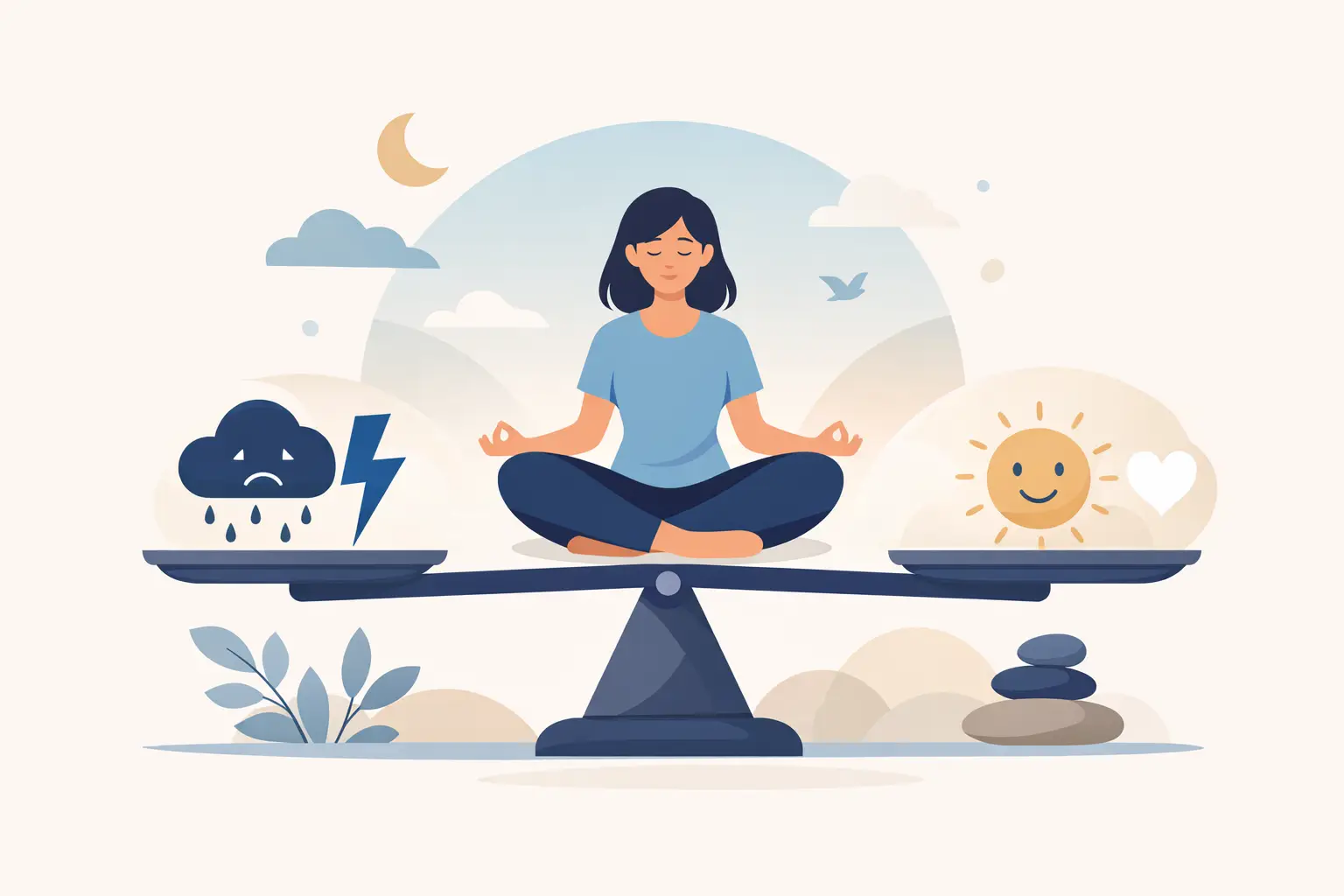
Emotional stability is the ability to feel life deeply without being pulled under by every wave. It is the space between what happens and how you respond. When that space grows, you can speak with more intention, make clearer decisions, recover faster, and trust yourself again.
You do not need a perfect life to become more emotionally steady. You need repeatable tools that teach your mind and body a new pattern: pause, process, choose.
What emotional stability really looks like
A stable person still gets frustrated, disappointed, anxious, and hurt. They do not pretend that pain is positive or force themselves to “just be grateful” when something needs to be faced. What changes is their relationship with the feeling.
Instead of exploding, shutting down, numbing out, or chasing reassurance, they can recognize what is happening inside them. They give themselves enough time to respond from their values rather than from panic, anger, or shame.
This matters because emotional instability can quietly shape an entire life. It can lead to impulsive spending, broken promises, self-sabotage, conflict, avoidance, unhealthy habits, and the exhausting belief that you cannot trust yourself. Emotional steadiness is not a personality trait reserved for calm people. It is a skill you can build.
How to improve emotional stability by calming your body first
Your thoughts matter, but your nervous system often speaks first. When you are overtired, overstimulated, hungry, isolated, or constantly rushing, small problems can feel like emergencies. You may try to reason your way out of a reaction when your body is asking for emotional stability, safety and recovery.
Start with a simple reset when you notice yourself escalating. Put both feet on the floor. Let your shoulders drop. Breathe in slowly, then make the exhale slightly longer than the inhale for a few rounds. Name five things you can see or hear. This is not a magic trick. It is a signal to your body that the moment can be survived without immediate action.
Then delay the response that could create regret. You do not have to answer the text, make the purchase, quit the job, confront someone, or announce a decision while your emotions are at their highest. A pause is not weakness. It is self-leadership and emotional stability.
The basics count more than people want to admit. Consistent sleep, regular meals, movement, hydration, and time away from constant notifications create a stronger foundation for every mindset practice. If your life is demanding, do not aim for perfection. Pick one stabilizing habit you can protect this week, such as a ten-minute walk after work or putting your phone outside the bedroom.
Stop treating every thought as a fact
An emotionally overwhelmed mind is a convincing storyteller. It says, “They do not respect me,” “I always mess things up,” or “This feeling will never end.” In the moment, those thoughts can feel completely true. But a feeling is real without necessarily being a reliable prediction.
Practice creating distance with one sentence: “I am noticing the thought that…” For example, change “I am a failure” to “I am noticing the thought that I am a failure because I made a mistake.” That small shift gives you room to question the story instead of becoming it.
Ask yourself three direct questions: What happened, without interpretation? What am I telling myself it means? What is one other possible explanation? You are not trying to talk yourself out of reality. You are refusing to make permanent conclusions from a temporary emotional state.
This is especially powerful when old wounds are involved. A delayed reply may trigger fears of rejection. Feedback at work may trigger a lifetime of feeling not good enough. The current moment can be real, while the intensity may be carrying history with it. Recognizing that difference helps you respond to the present instead of fighting the past all over again.
Build self-trust through small promises
Many people think they need more confidence before they can feel emotionally stable. Often, the reverse is true. Confidence grows when you repeatedly prove to yourself that you will show up, especially when you do not feel like it.
Do not begin with dramatic promises that collapse after three days. Choose commitments small enough to keep: make your bed, journal for five minutes, take a daily walk, prepare tomorrow’s clothes, or spend ten minutes on the task you have been avoiding. Each completed promise sends a message: I can rely on myself.
This matters during hard moments. When your emotions say, “You cannot handle this,” your past actions become evidence that you can. You have kept going before. You have made choices you were proud of before. You are building that proof now.
If you miss a day, do not turn one slip into an identity. Restart the next day. Emotional stability is strengthened by repair, not by never making mistakes.

Give your emotions a place to go
Unprocessed emotion does not disappear because you stay busy. It often comes out sideways through irritability, procrastination, overeating, scrolling, drinking, people-pleasing, or withdrawing from the people who care about you.
Give yourself a regular outlet before the pressure builds. Write freely for ten minutes with no need to sound wise. Speak honestly with someone safe. Move your body until some of the tension leaves. Sit quietly with a guided meditation and let the feeling be present without needing to fix it immediately.
There is a trade-off here. Processing emotion does not mean replaying the same painful story for hours. Reflection asks, “What do I need, what is this teaching me, and what is my next right step?” Rumination asks, “Why am I like this?” and keeps you stuck in the loop. If your reflection leaves you more helpless, gently bring yourself back to one practical action.
Protect your peace with better boundaries
You cannot build emotional stability while repeatedly abandoning yourself to keep everyone else comfortable. If certain conversations, people, environments, or online content leave you depleted, pay attention. Your emotional patterns are giving you information.
A boundary can be as simple as saying, “I need time to think about that,” “I cannot take this on right now,” or “I am not available for this conversation if we are yelling.” You do not need a long defense of your needs. A clear statement, repeated calmly, is enough.
Boundaries may feel uncomfortable at first, particularly if you are used to earning love by being agreeable. Some people may resist the new version of you because your lack of limits benefited them. That does not mean your boundary is wrong. It means you are changing a pattern.
Use a recovery plan for hard days
Hard days will still happen. The win is having a plan before you are in the middle of one. Write a short personal reset plan somewhere accessible. Include the signs that tell you that you are becoming overwhelmed, the actions that calm you, and one person you can contact instead of isolating.
Your plan might be: no major decisions for 24 hours, eat something nourishing, take a shower, walk outside, listen to a grounding audio, write down what happened, and sleep before responding. Simple actions can interrupt a spiral.
If your emotions feel unmanageable, you are experiencing thoughts of harming yourself or others, or trauma, anxiety, depression, or addiction are making daily life difficult, reaching out to a qualified mental health professional is a strong next step. Support is not a failure of mindset. It is a powerful decision to take your healing seriously.
Real change happens through repetition, not one perfect breakthrough. Each time you pause before reacting, tell yourself the truth with compassion, or keep a small promise, you are training a new emotional baseline. Keep going. You are not trying to become someone else – you are becoming someone who can stand beside yourself, even on the hardest days.
CLICK HERE to check out our free micro course, no credit card required.
If you want assistance with this article, please Contact Us