
Thought For The Week

"Most people pay more for what goes on their head, than what goes in it"

How to Overcome Stress and Anxiety: 10 Practical Techniques That Work

Summary

  • Understand stress vs anxiety: stress is a response to external pressures while anxiety can be persistent; identifying root causes is the first step to managing them.
  • Use physical activity to reduce stress: regular movement (brisk walks, cycling, dancing for ~20 minutes) clears thoughts and lowers tension.
  • Take control and set boundaries: prioritise tasks, plan, learn to say no, and protect your time and energy to reduce feelings of powerlessness.
  • Build social connections and make time for yourself: reach out to friends/family for support and carve daily ‘me time’ for relaxation or enjoyable activities.
  • Practice mindfulness and healthy habits, and seek help when needed: try meditation/journaling, improve sleep and diet, use laughter, and pursue professional therapy if self-care isn’t enough.

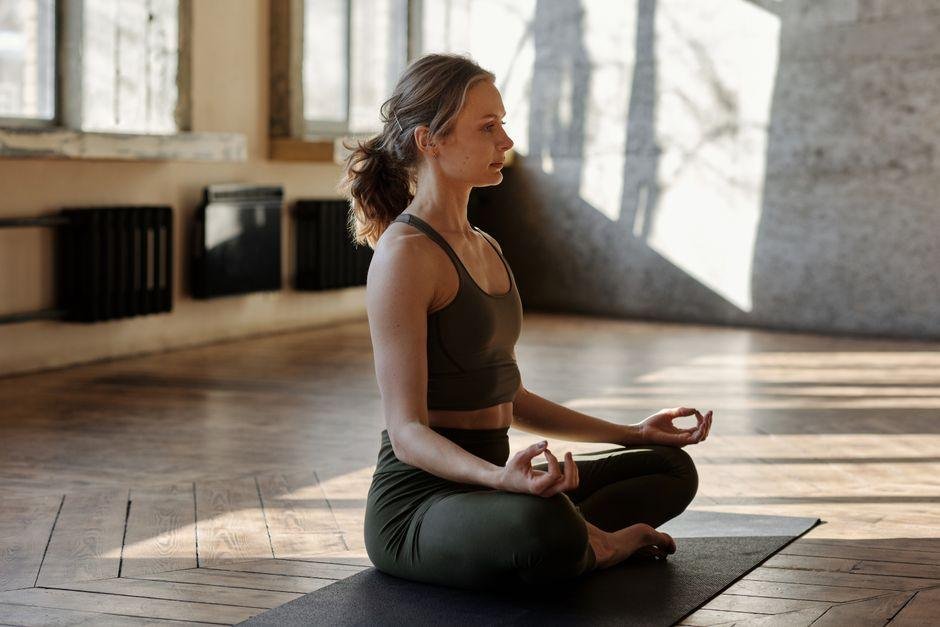
woman meditating
Photo by Cliff Booth on Pexels

Feeling overwhelmed by stress or anxiety is something most adults face at some point. The good news is that you do not have to stay stuck, and can overcome stress. By making small, deliberate changes to your daily habits and mindset, you can reduce the weight of worry and build lasting resilience. This guide draws on practical, evidence-based advice from respected health organisations to give you concrete steps you can start using today.

Understanding Stress and Anxiety

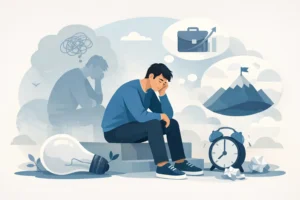
Overcome stress: Stress and anxiety often feel similar, but they are distinct. Stress usually results from external pressures such as work, family, or finances, while anxiety can persist even when the stressor is gone. Common stress symptoms include headaches, muscle tension, difficulty concentrating, and irritability. Recognising the cause of your stress is the first step towards managing it. Whether it is your job, relationships, or health concerns, identifying the root helps you choose the right coping strategy.

Move Your Body to Clear Your Mind

Physical activity is one of the most powerful tools for reducing the emotional intensity of stress. According to the NHS, exercise can clear your thoughts and lower tension. The Mayo Clinic agrees, noting that regular physical activity is a proven stress reliever. You do not need a gym membership. A brisk walk, a bike ride, or dancing in your living room for twenty minutes can shift your mood and help you feel more in control.

Take Control Where You Can

Overcome stress: Feeling powerless feeds anxiety. Taking control of a situation, even in a small way, is empowering and directly reduces stress, as the NHS highlights. Start by working smarter: prioritise your tasks. Write down what needs doing and tackle the most important items first. This simple act of planning gives you a sense of agency and stops the mental clutter that fuels worry.

walking outdoors
Photo by Iren Fedo on Pexels

Build Social Connections

Humans are wired for connection. Reaching out to friends, family, or colleagues can relieve stress and provide valuable support. The NHS and Mayo Clinic both emphasise that social connections offer distraction and comfort. Make time for a phone call, a coffee with a friend, or a shared walk. Even a brief chat can lighten your mental load. And when you help others through small favours or volunteering, you build your own resilience in the process.

Make Time for Yourself

It is not selfish to take time for yourself. The NHS calls this having “me time” for socialising, relaxation, or exercise. Carving out even fifteen minutes a day for an activity you enjoy can make a big difference. Read a book, take a bath, listen to music, or sit quietly with a cup of tea. This pause helps you recharge and approach challenges with a clearer mind.

Try Meditation and Mindfulness to Overcome Stress

Meditation, including mindfulness and guided imagery, can bring calm and balance, according to the Mayo Clinic. You do not need to sit cross-legged for an hour. Start with five minutes of focusing on your breath. Notice your thoughts without judging them. The practice trains your brain to stay in the present rather than worrying about the future. Journaling is another form of mindfulness. Writing down your thoughts and feelings can release pent-up emotions and help you see patterns in your anxiety.

healthy meal
Photo by Kritsana (Kid) Takhai on Pexels

Eat Well and Sleep Well

Overcome stress: Your diet and sleep directly affect your ability to cope with stress. A balanced diet rich in fruits, vegetables, and whole grains supports your nervous system, as advised by the Mayo Clinic. Avoid relying on alcohol, smoking, or caffeine to get through tough moments. These unhealthy habits may offer temporary relief but worsen stress in the long run. Quality sleep is essential. Aim for seven to nine hours each night. Restorative sleep builds your resilience and helps you think more clearly.

Set Boundaries and Say No

Many people feel stressed because they take on too much. Being assertive and learning to say no sets healthy boundaries, as the Mayo Clinic explains. You cannot give from an empty cup. Assess your commitments and let go of what drains you. Protecting your time and energy is not rude; it is necessary for your wellbeing.

Practice Gratitude

Overcome stress: Gratitude shifts your focus from what is wrong to what is right. The NHS recommends writing down three positive things that happen each day. This simple habit can improve your overall outlook over time. It does not ignore problems but balances your perspective so that stress does not consume your thoughts.

overcome stress anxiety
Photo by MART PRODUCTION on Pexels

Laugh More

Laughter really can be good medicine. The Mayo Clinic states that laughter lightens your mental load and triggers positive physical changes in your body. Watch a comedy, share a joke with a friend, or look up funny videos. Laughter lowers stress hormones and helps you feel more relaxed, even in difficult moments.

Seek Professional Help When Needed to Overcome Stress

Sometimes self-care is not enough. If stress or anxiety interferes with your daily life, professional support can make a real difference. The NHS offers talking therapies for anxiety and depression, which you can access through self-referral if you are 18 or over. The Mayo Clinic also recommends counseling or therapy when self-help measures do not provide relief. There is no shame in seeking help. It is a sign of strength to recognise when you need extra support.

Frequently Asked Questions

Can stress and anxiety be completely cured?

Stress and anxiety are natural human experiences that cannot be eliminated entirely. The goal is not a cure but effective management. With the right techniques, you can reduce their intensity and frequency, build resilience, and live a fulfilling life. Professional help is available if you find self-care strategies are not enough.

How quickly can these techniques reduce or overcome stress?

Some techniques, such as physical activity or deep breathing, can lower stress levels within minutes. Others, like regular meditation or improving sleep habits, may take weeks to show their full benefits. Consistency matters more than speed. Choose one or two methods and practise them daily for the best results.

What if these methods do not work for me?

No single approach works for everyone. If you have tried several strategies without relief, it may be time to consult a healthcare professional. The NHS recommends talking therapies for anxiety and stress, and the Mayo Clinic advises professional counseling if self-care measures are insufficient. A therapist can help you explore deeper causes and personalised solutions.

Is anxiety different from stress?

Yes. Stress is usually a response to an external trigger, such as a deadline or a conflict, and tends to fade when the trigger resolves. Anxiety is a persistent feeling of worry or fear that can occur without an obvious cause. Both can be managed with similar techniques, but anxiety may require additional professional support, especially if it becomes chronic.

Do I need to practise all these techniques?

No. Overwhelming yourself with too many changes can add to stress. Start with one or two techniques that feel manageable. For example, add a ten-minute walk to your routine or try writing down three good things before bed. Build from there. The best plan is one you can stick with consistently.

Overcome stress:: There is no single magic bullet for stress and anxiety, but a combination of physical activity, social connection, mindfulness, healthy eating, good sleep, and setting boundaries can transform how you feel. Begin with one small step today and give yourself time to adapt. You have the power to create lasting change, one practical habit at a time.

If you want assistance with this article, please Contact Us
Leave a Comment

Social Media Success Agency
Scroll to Top

Fill Out Exercise

INTRODUCTION

This workbook is your private space for honest self-reflection. Take your time with each section. Write as much or as little as feels authentic to you. Your mentor will review your responses to better understand how to support you, but this is ultimately for your own growth and clarity.

Checkboxes

By signing below, I confirm my commitment to this life audit process:

Looking at your scores:

  • - Which area surprised you (higher or lower than expected)?
  • - Which low score bothers you the most?
  • - Which high score are you most grateful for?
  • PRACTICAL PREPARATION
    Checkboxes

    SUBMISSION NOTES Before submitting, ensure you have:

  • 1- Completed all sections
  • 2- Been honest in your responses
  • 3- Saved a copy for yourself
  • 4- Named the file correctly
  • Thank you for your openness and commitment. Your mentor will review this and provide feedback within 48 hours.

    INTRODUCTION

    This workbook will guide you through a detailed exploration of the 12 Life Domains. Take your time with each section. Be specific in your responses - vague answers lead to vague results.

    Before we dive deep, here are the 12 domains you'll be exploring:

    1. Professional Life & Career - Your work, skills, and professional identity
    2. Financial Wellness - Money mindset, habits, and security
    3. Physical Health - Body, energy, and vitality
    4. Mental & Emotional Wellbeing - Mindset, resilience, and inner peace
    5. Community – Friends and social connections
    6. Love & Partnership - Romantic life and intimacy
    7. Environment & Lifestyle - Daily routines and living space
    8. Purpose & Identity - Core values and life meaning
    9. Growth & Learning - Personal development and future vision
    10. Family Relationships – how you get on with parents, siblings etc.
    11. Hobbies – what you enjoy doing or would like to do
    12. Nutrition – your body’s fuel

    PART 4: PRIORITY SETTING

    Rank your domains by priority for improvement (1 = highest priority):

    Explain your top 3 priorities:

    SUBMISSION CHECKLIST
    Checkboxes

    INTRODUCTION

    This workbook guides you through a comprehensive examination of your professional life. Answer each question thoroughly - surface-level responses lead to surface-level insights.

    1. Describe your current professional situation:

    2. On a scale of 1-10, rate these aspects of your current work:

    3. Describe a typical workday from start to finish. How do you feel at each stage?

    4. What percentage of your work time is spent on: (Should total 100%)

    5. Complete these sentences

    1. List your last 3-5 positions and why you left each one

    Position 1

    Position 2

    Position 3

    Position 4

    Position 5

    5. What stories do you tell yourself about your career?

    5. What stories do you tell yourself about your career?

    1. What are your top 5 professional values?

    2. How well does your current work honour these values?

    2. What fears hold you back professionally?
    1. Based on everything above, what needs to change?
    SUBMISSION CHECKLIST
    Checkboxes

    INTRODUCTION

    This workbook explores your relationship with money - not just the numbers, but the beliefs, emotions, and patterns that drive your financial decisions. Answer honestly without judgment.

    1. When you think about money, what emotions come up?

    Complete these sentences:

    1. Growing up, money in my family was

    2. What did your parents/caregivers teach you about money through their words?

    3.What did they teach you through their actions?

    1. Do you know your exact: (Yes/No)

    3. Rate your financial health in these areas (1-10):

    4. What percentage of your income goes to (Should total 100%)

    5. Do you have:

    PART 4: SPENDING & EARNING PATTERNS

    1. What triggers you to spend money? (Check all that apply)
    4. How do you feel about your earning potential?
    2. Are you the one who: (Check all that apply)
    SUBMISSION CHECKLIST
    Checkboxes

    INTRODUCTION

    This workbook explores your relationship with your body and physical health. Approach each question with curiosity and compassion, not judgment. Your body is your lifelong partner - this is about understanding and supporting it better.

    1. Overall, how do you feel in your body right now? ( select one )
    4. What physical symptoms do you regularly experience? (Check all that apply)
    1. How would you describe your relationship with your body?
    1. How often do you engage in intentional movement/exercise?
    3. What prevents you from moving more? (Check all that apply)
    5. What's your relationship with exercise?

    PART 4: NUTRITION & NOURISHMENT

    3. What affects your sleep? (Check all that apply)
    4. How rested do you feel upon waking?
    How often do you listen to these signals?
    SUBMISSION CHECKLIST
    Checkboxes

    INTRODUCTION

    This workbook explores your inner world - your thoughts, emotions, and mental patterns. Approach each question with gentle curiosity. There's no judgment here, only understanding.

    1. How would you describe your typical mental state? (Circle all that apply)
    4. How do you typically handle difficult emotions?

    PART 3: THOUGHT PATTERNS

    1. What kind of self-talk dominates your mind?
    2. Common thoughts that run through your mind: (Check all that apply)
    3. How does stress manifest for you? (Check all that apply)
    4. Current coping strategies: (Check all you use)
    4. How often do you prioritize mental health?
    SUBMISSION CHECKLIST
    Checkboxes

    INTRODUCTION

    This workbook explores your social ecosystem - the relationships and connections that shape your life. Be honest about both the gifts and challenges in your relationships.

    2. Looking at your list:

    3. Rate the overall quality of your:

    1. In relationships, I tend to be the one who: (Check all that apply)
    2. What role do you typically play in groups?
    1. How would you describe your friendship circle?
    1. In relationships, are you better at:
    SUBMISSION CHECKLIST
    Checkboxes

    INTRODUCTION

    This workbook explores your intimate romantic world. Approach each question with honesty and compassion. Love is vulnerable territory - be gentle with yourself as you explore.

    1. My current relationship status:
    1. In relationships, I tend to: (Check primary pattern)
    4. Are you single because
    SUBMISSION CHECKLIST
    Checkboxes

    INTRODUCTION

    This workbook explores how your physical environment and daily lifestyle either support or hinder your wellbeing. Examine your spaces and routines with fresh eyes.

    2. What specific things in your environment bother you? (Check all that apply)

    Complete this declaration:

    SUBMISSION CHECKLIST
    Checkboxes

    INTRODUCTION

    This workbook explores the deepest questions: Who are you really? Why are you here? What matters most? Approach these questions with openness and patience. Your truth may surprise you.

    1. From this list, Check your top 10 values:
    SUBMISSION CHECKLIST
    Checkboxes

    INTRODUCTION

    This workbook explores your relationship with growth, learning, and personal evolution. Discover how you expand best and what's calling you forward.

    1. When faced with a challenge, my first thought is usually:
    2. My ideal learning environment includes:
    1. When something gets difficult, I typically:
    2. My relationship with failure is:
    1. What motivates you to grow? (Check all that apply)
    2. What stops you from growing? (Check all that apply)
    SUBMISSION CHECKLIST
    Checkboxes

    INTRODUCTION

    This workbook helps you identify patterns across all 12 domains and discover the root causes behind your challenges. Have your previous workbooks nearby for reference. (Some domains are outlined in the same workbook i.e., Relationships and Family, Physical Health and Nutrition, Environment and Lifestyle and Hobbies)

    1. I consistently tend to: (Check all that apply)
    3. My dominant emotional pattern is:

    (Create your own connections)

    SUBMISSION CHECKLIST
    Checkboxes

    INTRODUCTION

    This workbook synthesizes all your discoveries into a comprehensive Life Diagnosis. Be thorough and honest - this becomes your transformation roadmap.

    Trending
    SUBMISSION CHECKLIST
    Checkboxes

    INTRODUCTION

    This workbook guides you through creating your Life Architecture - the complete blueprint for your transformation. Build thoughtfully; this becomes your roadmap.

    1. Write 2-3 specific sentences about your transformed life:

    PROFESSIONAL LIFE & CAREER

    FINANCIAL WELLNESS

    PHYSICAL HEALTH

    MENTAL & EMOTIONAL WELLBEING

    RELATIONSHIPS & COMMUNITY

    LOVE & PARTNERSHIP

    ENVIRONMENT & LIFESTYLE

    PURPOSE & IDENTITY

    GROWTH & LEARNING

    MONTH 1-3 FOCUS:

    MONTH 4-6 FOCUS:

    MONTH 7-9 FOCUS

    MONTH 10-12 FOCUS:

    1. WHO I need on my team:

    2. WHAT resources I need:

    3. HOW I'll stay on track:

    MY NORTH STAR:

    MY IDENTITY SHIFT:

    MY TOP 3 PRIORITIES:

    MY FIRST 3 ACTIONS:

    This week I will:

    MY COMMITMENT:

    THE ARCHITECT'S DECLARATION

    SUBMISSION CHECKLIST
    Checkboxes