

Key Takeaways
- Sexual wellbeing is broader than mere absence of disease—encompassing physical, emotional, mental and social dimensions, plus feelings of respect, comfort, confidence, autonomy and the ability to enjoy consensual, pleasurable relationships.
- Your mindset—thoughts, beliefs and attitudes—directly shapes sexual experience; research (e.g., Vasconcelos et al., 2024) links positive sexual health indicators with lower depression and anxiety and higher quality of life.
- Anxiety and depression can reduce libido, cause performance anxiety, fatigue and negative body image, creating a cycle where poor mental health harms sexual wellbeing and unresolved sexual concerns worsen mental health.
- Self‑esteem and body image strongly affect sexual confidence and comfort; cultivating self‑acceptance and realistic expectations helps you relax, trust a partner and express needs.
- Practical ways to improve sexual wellbeing include open communication, mindfulness and self‑awareness, and seeking professional support (therapy or sex therapy); sexual and mental wellbeing are reciprocal, so small mindset shifts can yield meaningful improvements.
Sexual wellbeing is about more than physical health. It involves how you feel about yourself, your relationships, and your body. Your thoughts, beliefs, and attitudes shape this experience every bit as much as your biology does. Understanding that connection and learning to cultivate a supportive inner dialogue can transform the way you experience intimacy and pleasure.
Understanding Sexual Wellbeing and Sexual Health
Before exploring the mindset connection, it helps to clarify what sexual wellbeing means. The World Health Organization defines sexual health as “a state of physical, emotional, mental and social well-being in relation to sexuality; it is not merely the absence of disease, dysfunction or infirmity.” That is a broad definition that already includes emotional and mental dimensions. However, sexual wellbeing is sometimes described as even broader. According to the Sexual Health and Blood Borne Viruses Tayside service (part of NHS Scotland), sexual wellbeing includes feeling respected, comfortable, confident, autonomous, secure, and able to enjoy safe, healthy, respectful, consensual and pleasurable relationships and sexual interactions. While sexual health and sexual wellbeing overlap, they are not identical. Sexual wellbeing emphasises the personal, relational, and emotional quality of your sexual life.

The Mindset Connection: How Your Thoughts Shape Your Sexual Experience
Your mindset directly influences how you approach sex, intimacy, and your own body. When you consistently hold negative beliefs about yourself or your relationships, those beliefs can create barriers to sexual pleasure and satisfaction. The evidence for this link comes from a growing body of research, including a systematic review published in the Bulletin of the World Health Organization (Vasconcelos et al., 2024), which found that positive sexual health indicators are significantly associated with lower levels of depression and anxiety, as well as higher quality of life. In other words, the way you feel mentally and emotionally is tied to how you experience your sexuality.
Anxiety and Depression
Anxiety and depression can have a profound impact on sexual desire and pleasure. The Eddystone Trust, a UK charity focusing on sexual health, explains that these conditions can reduce libido, cause performance anxiety, lead to fatigue, and contribute to negative body image. When you are anxious, your mind is preoccupied with worries, making it difficult to relax and be present during intimacy. Depression can drain your energy and interest in activities you once enjoyed, including sex. This creates a cycle: poor mental health harms sexual wellbeing, and unresolved sexual concerns can worsen mental health.
The Role of Self-Esteem and Body Image
How you see yourself affects how comfortable you feel in intimate situations. Negative body image is one of the factors that can interfere with sexual confidence. If you constantly criticise your appearance or feel ashamed of your body, you may find it hard to relax, trust a partner, or ask for what you want. On the other hand, cultivating self-acceptance and realistic expectations can help you feel more secure. Feeling confident and autonomous in your sexuality is a hallmark of sexual wellbeing, and that confidence begins with your internal narrative.
Practical Ways to Cultivate a Positive Sexual Wellbeing Mindset
Shifting your mindset around sexual wellbeing is not about pretending problems do not exist. It involves actively adopting attitudes and habits that support emotional and relational health. Several practical approaches are recommended by health organisations and can be adapted to your own circumstances.
Open Communication
Honest and respectful communication with a partner is one of the most effective ways to improve sexual wellbeing. Expressing your needs, desires, boundaries, and concerns creates a space where both people feel heard and respected. This reduces anxiety and builds trust. If talking about sex feels difficult, start with small conversations about what you enjoy or what makes you feel comfortable. Over time, open dialogue becomes more natural and reinforces a positive mindset.
Mindfulness and Self-Awareness
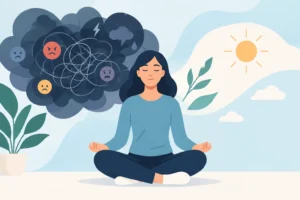
Practising mindfulness helps you stay present during intimate moments rather than getting caught up in self-judgment or distraction. Mindfulness meditation, simply focusing on your breath or bodily sensations for a few minutes each day, can train your attention to stay in the moment. This reduces performance anxiety and allows you to notice pleasure more fully. Self-awareness also involves identifying your personal desires and preferences, which is another step recommended for improving sexual wellbeing.
Seeking Professional Support
Therapy can be a valuable tool for addressing underlying issues that affect your sexual mindset. Whether you see a counsellor, sex therapist, or relationship coach, professional guidance can help you work through anxiety, past experiences, or communication problems. Seeking therapy is listed by both the Weldricks Pharmacy guide and the Eddystone Trust as a helpful practice for sexual wellbeing. There is no shame in asking for support; it is a sign of strength and commitment to your own wellbeing.

The Reciprocal Relationship Between Mental and Sexual Wellbeing
The link between mindset and sexual wellbeing works in both directions. Just as poor mental health can harm your sexual experience, a healthy and satisfying sex life can improve your mental state. Engaging in a healthy sex life can improve mood, enhance emotional connection with a partner, boost self-esteem, and provide stress relief, according to the Eddystone Trust. This means that investing in your sexual wellbeing is not selfish or frivolous. It is a path toward greater overall happiness and resilience. When you prioritise your sexual health, you also support your emotional and psychological health.
Developing a mindset that values respect, consent, pleasure, and self-compassion is the foundation of sexual wellbeing. You do not need to be perfect. Small shifts in how you think about yourself, your body, and your relationships can lead to meaningful changes in how you experience intimacy. The research is clear: positive sexual health indicators are linked to lower depression and anxiety, and higher quality of life. By taking steps to improve your sexual wellbeing, you are simultaneously improving your mental health and your overall sense of fulfilment.

Frequently Asked Questions
What is the difference between sexual health and sexual wellbeing?
Sexual health, as defined by the World Health Organization, is a state of physical, emotional, mental, and social well-being related to sexuality. Sexual wellbeing is a broader concept that includes feeling respected, comfortable, confident, autonomous, and able to enjoy pleasurable relationships. Some sources consider them closely related but not identical.
How does anxiety affect sexual desire?
Anxiety can reduce libido, cause performance anxiety, and lead to fatigue. When your mind is preoccupied with worries, it becomes harder to relax and be present during intimacy. Over time, this can create a cycle where anxiety about sex itself reinforces the problem. Managing anxiety through therapy, mindfulness, or open communication can help restore desire.
Can therapy really improve sexual wellbeing?
Yes. Seeking therapy is a recommended practice for improving sexual wellbeing. A therapist can help you address performance anxiety, negative body image, past experiences, or communication issues that may be affecting your intimate relationships. Professional support provides a safe space to explore these topics and develop a healthier mindset.
What is the simplest first step to improve my sexual mindset?
Start with open communication. Talk to your partner about what you enjoy, what feels good, and what you need to feel comfortable. If you are not in a relationship, practice speaking kindly to yourself about your body and desires. Building self-awareness through journaling or mindfulness can also be a simple, effective starting point.
If you want assistance with this article, please Contact Us