

0
Your Cart

No products in the cart.

No products in the cart.

Thought For The Week

"Most people pay more for what goes on their head, than what goes in it"

How to Stay Positive in Adversity

stay positive

Key Takeaways

  • Staying positive in adversity involves choosing mindsets and habits that keep hope alive rather than ignoring pain.
  • Reframing struggles by asking 'What do I control right now?' can shift from rumination to agency and help reclaim power.
  • Daily habits like mindful breathing, movement, and gratitude journaling can cultivate resilience and hope.
  • Connection with others and acts of service can enhance resilience and pull individuals out of isolation.
  • Real optimism combines honest emotion with a hopeful perspective, emphasizing small, meaningful choices and steady steps forward.

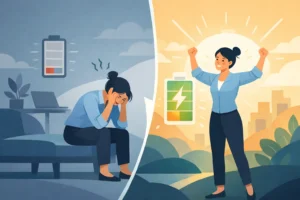
When life tightens the screws, figuring out how to stay positive can feel like a luxury—yet it’s actually a practical tool for navigating hardship with clarity and strength. Staying positive in adversity doesn’t mean ignoring pain or pretending everything is fine; it means choosing mindsets and habits that keep your hope alive and your actions purposeful. Here’s how to reframe your struggles and build the daily practices that help you endure, grow, and even find meaning along the way.

Shifting Your Mindset: Finding Meaning in Trials

Adversity often arrives with two layers: the event itself, and the story we tell about it. While we can’t always change the first, we can reshape the second. Pause and name what’s hard without sugarcoating it, then ask, “What do I control right now?” That simple question shifts you from rumination to agency, turning scattered worry into targeted effort. The goal isn’t to erase discomfort, but to reclaim your power within it.

Meaning-making transforms setbacks from random hits into chapters in a larger narrative. Rather than “in spite of this,” try “because of this, I learned…” This reframing doesn’t deny loss; it highlights growth, values, and relationships that deepen under pressure. Consider how your struggle can sharpen what matters—courage, integrity, compassion—and let those values guide small, consistent choices. Over time, the thread of meaning can hold even when certainty unravels.

Be wary of toxic positivity—the impulse to paste over pain with platitudes. Real optimism pairs honest emotion with hopeful perspective: “This is difficult, and I can take the next right step.” Practice self-compassion by speaking to yourself as you would a close friend; it steadies the nervous system and fuels persistence. Challenge catastrophic thoughts by asking for evidence, alternatives, and the most helpful next move. When you can’t find silver linings, borrow perspective by remembering past hardships you’ve survived—and the strengths that surfaced then.

  

Daily Habits to Cultivate Resilience and Hope

Start small and stackable. Begin your morning with three slow breaths, a brief body check-in, and a one-line intention like, “Today, I will respond rather than react.” Anchor your day with movement—a brisk walk, stretches, or a short workout—to discharge stress and restore focus. Protect sleep as non-negotiable recovery time; aim for consistent hours, dim lights at night, and a wind-down cue like a warm shower or calming music.

Create rituals that capture progress and gratitude without forcing cheer. In the evening, jot down three things that helped—tiny wins count: sent the email, took a walk, asked for help. Keep a “positive data log,” noting moments that contradict despair: a friend’s check-in, a problem solved, a quiet laugh. Limit doom-scrolling by setting app timers and choosing one reliable news source at a set time. The goal is not to shut out reality, but to curate inputs that don’t hijack your nervous system.

Connection multiplies resilience. Reach out to one person daily—share a real update, ask a real question, or offer a small kindness. Service pulls you out of isolation and reminds you of your capacity to matter. When anxiety spikes, practice a grounding technique: name five things you see, four you feel, three you hear, two you smell, one you taste. On tough days, shrink the goalposts: pick one meaningful task, do it imperfectly, and celebrate completion. Repetition turns these practices into a scaffold sturdy enough to carry you through.

Positivity in adversity is not a mood you stumble into—it’s a mindset you shape and a set of habits you repeat. By telling a wiser story about your struggle, aligning with your values, and tending to small daily practices, you build a durable hope that coexists with reality. You don’t have to see the whole path; you only need to keep choosing the next steady step.

If you want assistance with this article, please Contact Us

Social Media Success Agency
Scroll to Top

Fill Out Exercise

INTRODUCTION

This workbook is your private space for honest self-reflection. Take your time with each section. Write as much or as little as feels authentic to you. Your mentor will review your responses to better understand how to support you, but this is ultimately for your own growth and clarity.

Checkboxes

By signing below, I confirm my commitment to this life audit process:

Looking at your scores:

  • - Which area surprised you (higher or lower than expected)?
  • - Which low score bothers you the most?
  • - Which high score are you most grateful for?
  • PRACTICAL PREPARATION
    Checkboxes

    SUBMISSION NOTES Before submitting, ensure you have:

  • 1- Completed all sections
  • 2- Been honest in your responses
  • 3- Saved a copy for yourself
  • 4- Named the file correctly
  • Thank you for your openness and commitment. Your mentor will review this and provide feedback within 48 hours.

    INTRODUCTION

    This workbook will guide you through a detailed exploration of the 12 Life Domains. Take your time with each section. Be specific in your responses - vague answers lead to vague results.

    Before we dive deep, here are the 12 domains you'll be exploring:

    1. Professional Life & Career - Your work, skills, and professional identity
    2. Financial Wellness - Money mindset, habits, and security
    3. Physical Health - Body, energy, and vitality
    4. Mental & Emotional Wellbeing - Mindset, resilience, and inner peace
    5. Community – Friends and social connections
    6. Love & Partnership - Romantic life and intimacy
    7. Environment & Lifestyle - Daily routines and living space
    8. Purpose & Identity - Core values and life meaning
    9. Growth & Learning - Personal development and future vision
    10. Family Relationships – how you get on with parents, siblings etc.
    11. Hobbies – what you enjoy doing or would like to do
    12. Nutrition – your body’s fuel

    PART 4: PRIORITY SETTING

    Rank your domains by priority for improvement (1 = highest priority):

    Explain your top 3 priorities:

    SUBMISSION CHECKLIST
    Checkboxes

    INTRODUCTION

    This workbook guides you through a comprehensive examination of your professional life. Answer each question thoroughly - surface-level responses lead to surface-level insights.

    1. Describe your current professional situation:

    2. On a scale of 1-10, rate these aspects of your current work:

    3. Describe a typical workday from start to finish. How do you feel at each stage?

    4. What percentage of your work time is spent on: (Should total 100%)

    5. Complete these sentences

    1. List your last 3-5 positions and why you left each one

    Position 1

    Position 2

    Position 3

    Position 4

    Position 5

    5. What stories do you tell yourself about your career?

    5. What stories do you tell yourself about your career?

    1. What are your top 5 professional values?

    2. How well does your current work honour these values?

    2. What fears hold you back professionally?
    1. Based on everything above, what needs to change?
    SUBMISSION CHECKLIST
    Checkboxes

    INTRODUCTION

    This workbook explores your relationship with money - not just the numbers, but the beliefs, emotions, and patterns that drive your financial decisions. Answer honestly without judgment.

    1. When you think about money, what emotions come up?

    Complete these sentences:

    1. Growing up, money in my family was

    2. What did your parents/caregivers teach you about money through their words?

    3.What did they teach you through their actions?

    1. Do you know your exact: (Yes/No)

    3. Rate your financial health in these areas (1-10):

    4. What percentage of your income goes to (Should total 100%)

    5. Do you have:

    PART 4: SPENDING & EARNING PATTERNS

    1. What triggers you to spend money? (Check all that apply)
    4. How do you feel about your earning potential?
    2. Are you the one who: (Check all that apply)
    SUBMISSION CHECKLIST
    Checkboxes

    INTRODUCTION

    This workbook explores your relationship with your body and physical health. Approach each question with curiosity and compassion, not judgment. Your body is your lifelong partner - this is about understanding and supporting it better.

    1. Overall, how do you feel in your body right now? ( select one )
    4. What physical symptoms do you regularly experience? (Check all that apply)
    1. How would you describe your relationship with your body?
    1. How often do you engage in intentional movement/exercise?
    3. What prevents you from moving more? (Check all that apply)
    5. What's your relationship with exercise?

    PART 4: NUTRITION & NOURISHMENT

    3. What affects your sleep? (Check all that apply)
    4. How rested do you feel upon waking?
    How often do you listen to these signals?
    SUBMISSION CHECKLIST
    Checkboxes

    INTRODUCTION

    This workbook explores your inner world - your thoughts, emotions, and mental patterns. Approach each question with gentle curiosity. There's no judgment here, only understanding.

    1. How would you describe your typical mental state? (Circle all that apply)
    4. How do you typically handle difficult emotions?

    PART 3: THOUGHT PATTERNS

    1. What kind of self-talk dominates your mind?
    2. Common thoughts that run through your mind: (Check all that apply)
    3. How does stress manifest for you? (Check all that apply)
    4. Current coping strategies: (Check all you use)
    4. How often do you prioritize mental health?
    SUBMISSION CHECKLIST
    Checkboxes

    INTRODUCTION

    This workbook explores your social ecosystem - the relationships and connections that shape your life. Be honest about both the gifts and challenges in your relationships.

    2. Looking at your list:

    3. Rate the overall quality of your:

    1. In relationships, I tend to be the one who: (Check all that apply)
    2. What role do you typically play in groups?
    1. How would you describe your friendship circle?
    1. In relationships, are you better at:
    SUBMISSION CHECKLIST
    Checkboxes

    INTRODUCTION

    This workbook explores your intimate romantic world. Approach each question with honesty and compassion. Love is vulnerable territory - be gentle with yourself as you explore.

    1. My current relationship status:
    1. In relationships, I tend to: (Check primary pattern)
    4. Are you single because
    SUBMISSION CHECKLIST
    Checkboxes

    INTRODUCTION

    This workbook explores how your physical environment and daily lifestyle either support or hinder your wellbeing. Examine your spaces and routines with fresh eyes.

    2. What specific things in your environment bother you? (Check all that apply)

    Complete this declaration:

    SUBMISSION CHECKLIST
    Checkboxes

    INTRODUCTION

    This workbook explores the deepest questions: Who are you really? Why are you here? What matters most? Approach these questions with openness and patience. Your truth may surprise you.

    1. From this list, Check your top 10 values:
    SUBMISSION CHECKLIST
    Checkboxes

    INTRODUCTION

    This workbook explores your relationship with growth, learning, and personal evolution. Discover how you expand best and what's calling you forward.

    1. When faced with a challenge, my first thought is usually:
    2. My ideal learning environment includes:
    1. When something gets difficult, I typically:
    2. My relationship with failure is:
    1. What motivates you to grow? (Check all that apply)
    2. What stops you from growing? (Check all that apply)
    SUBMISSION CHECKLIST
    Checkboxes

    INTRODUCTION

    This workbook helps you identify patterns across all 12 domains and discover the root causes behind your challenges. Have your previous workbooks nearby for reference. (Some domains are outlined in the same workbook i.e., Relationships and Family, Physical Health and Nutrition, Environment and Lifestyle and Hobbies)

    1. I consistently tend to: (Check all that apply)
    3. My dominant emotional pattern is:

    (Create your own connections)

    SUBMISSION CHECKLIST
    Checkboxes

    INTRODUCTION

    This workbook synthesizes all your discoveries into a comprehensive Life Diagnosis. Be thorough and honest - this becomes your transformation roadmap.

    Trending
    SUBMISSION CHECKLIST
    Checkboxes

    INTRODUCTION

    This workbook guides you through creating your Life Architecture - the complete blueprint for your transformation. Build thoughtfully; this becomes your roadmap.

    1. Write 2-3 specific sentences about your transformed life:

    PROFESSIONAL LIFE & CAREER

    FINANCIAL WELLNESS

    PHYSICAL HEALTH

    MENTAL & EMOTIONAL WELLBEING

    RELATIONSHIPS & COMMUNITY

    LOVE & PARTNERSHIP

    ENVIRONMENT & LIFESTYLE

    PURPOSE & IDENTITY

    GROWTH & LEARNING

    MONTH 1-3 FOCUS:

    MONTH 4-6 FOCUS:

    MONTH 7-9 FOCUS

    MONTH 10-12 FOCUS:

    1. WHO I need on my team:

    2. WHAT resources I need:

    3. HOW I'll stay on track:

    MY NORTH STAR:

    MY IDENTITY SHIFT:

    MY TOP 3 PRIORITIES:

    MY FIRST 3 ACTIONS:

    This week I will:

    MY COMMITMENT:

    THE ARCHITECT'S DECLARATION

    SUBMISSION CHECKLIST
    Checkboxes