


IMPORTANT: Get your totally FREE, no credit card required ever, BreatheFree app, courtesy of TotalMindshift!
Breathwork has moved from the fringes of wellness culture into the mainstream, and for good reason. Unlike many trends that fade quickly, breathing techniques are backed by a growing body of scientific research showing measurable effects on stress, anxiety, mood, and even physical health. Whether you are dealing with everyday tension, looking to improve your focus, or simply curious about how your breath can influence your nervous system, understanding breathwork is a practical investment in your well-being.
This guide walks you through what breathwork is, the most well-researched techniques, what science says about its benefits, how to get started safely, and what precautions to keep in mind. By the end, you will have a clear, grounded understanding of how to use your breath as a tool for better health.
What Is Breathwork?
Breathwork is the deliberate practice of controlling and manipulating your breathing pattern to influence your mental and physical state. While breathing is automatic, the way you breathe is not fixed. By consciously changing the rhythm, depth, and pace of your breath, you can activate different branches of your nervous system and shift how you feel in your body and mind.
This distinguishes breathwork from simple relaxation breathing. Many traditions have developed structured techniques over centuries, including pranayama in yoga, Buteyko breathing from Russia, and various modern methods such as box breathing and the 4-7-8 technique. Research increasingly groups these under the umbrella term breathwork and studies their effects using modern clinical methods.
A useful way to think about breathwork is as a bridge between your voluntary and involuntary nervous system. Your breath sits at the intersection of conscious control and automatic function, which is precisely why it can be such a powerful lever for influencing stress responses, emotional regulation, and physical recovery.
Common Types of Breathwork
There is no single correct way to practice breathwork. Different techniques suit different goals, and most people benefit from experimenting to find what works for them. Below are some of the most widely practiced and researched methods.
Diaphragmatic Breathing (Belly Breathing)
Diaphragmatic breathing is often recommended as the starting point for beginners. It involves breathing deeply into your belly rather than your chest, allowing your diaphragm to do the work. This technique is gentle, easy to learn, and can be practiced almost anywhere. It is particularly effective for reducing stress and promoting relaxation because it stimulates the parasympathetic nervous system, which is responsible for the body’s rest-and-digest response.
A systematic review and meta-analysis found that slow diaphragmatic breathing and paced breathing protocols were associated with the most robust effects on anxiety, depression, and heart-rate variability.
Box Breathing
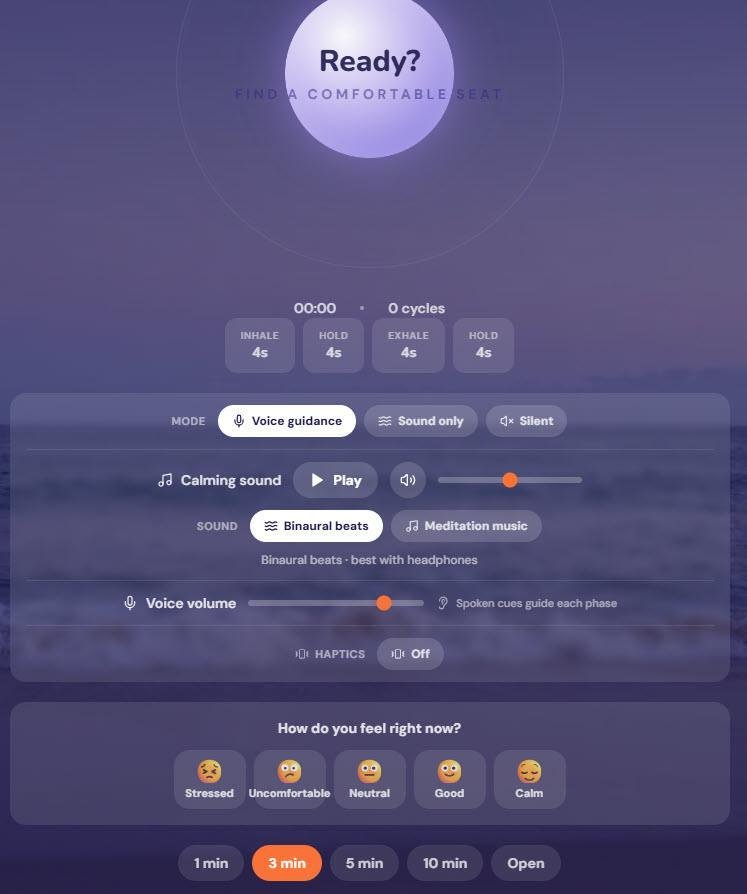
Box breathing is a structured technique that involves inhaling, holding, exhaling, and holding again, each for an equal count. It is popular among athletes, military personnel, and anyone who needs to regain composure under pressure. The structured nature of the practice makes it easy to remember and apply in stressful situations.
4-7-8 Breathing
Developed by Dr. Andrew Weil, the 4-7-8 technique involves inhaling for four counts, holding for seven, and exhaling for eight. This extended exhale is thought to activate the vagus nerve and promote a calming effect on the nervous system. It is often used to help with sleep and anxiety management.
Alternate Nostril Breathing (Nadi Shodhana)
Alternate nostril breathing is a pranayama practice that involves breathing through one nostril at a time while closing the other. Research suggests that volitional yoga breathing practices like pranayama can improve pulmonary function in both healthy individuals and those with respiratory conditions such as COPD.
Conscious Connected Breathing
This technique involves continuous, connected breaths without pauses between inhale and exhale. A randomized controlled trial found that a six-week conscious connected breathwork program led to large reductions in anxiety symptoms, with the active group experiencing a reduction of 10.56 points compared to 1.89 in the control group.
Buteyko Breathing
The Buteyko method focuses on reducing over-breathing and promoting nasal breathing with slower, lighter breaths. It has been studied for conditions such as asthma and is designed to improve carbon dioxide tolerance, which can help normalize breathing patterns.
Benefits and Uses of Breathwork
The research on breathwork has expanded significantly in recent years. While individual results vary, several areas have consistent evidence of benefit.
Stress and Anxiety Reduction
This is perhaps the most well-documented benefit. A systematic review and meta-analysis of breathwork in psychotherapy found moderate to large reductions in anxiety, depression, and perceived stress. Another narrative review concluded that slow, nasal, diaphragmatic breathing significantly improves vagal tone, heart-rate variability, parasympathetic activity, and emotional control while reducing cortisol levels.
Improved Emotional Regulation
Breathwork appears to affect brain regions involved in emotion regulation. Research indicates that breathing practices can activate neural regions implicated in emotional control, suggesting a neurological basis for the subjective sense of calm that many practitioners report.
Enhanced Focus and Cognitive Performance
Certain breathing techniques, particularly those that involve structured attention to the breath, can improve focus and mental clarity. The practice of bringing attention back to the breath when the mind wanders is itself a form of attention training.
Better Sleep
Techniques such as 4-7-8 breathing and diaphragmatic breathing are frequently recommended for sleep difficulties. The relaxation response triggered by slow breathing can help quiet a racing mind and prepare the body for rest.
Physical Health Support
Research on pranayama has shown improvements in pulmonary function in both healthy individuals and patients with conditions such as COPD. Breathwork is also being studied as a complementary approach for managing inflammation and pain, though more research is needed in these areas.
Resilience and Psychological Well-Being
A randomized controlled trial involving paramedicine students found that breathwork improved resilience and psychological well-being while reducing symptoms of anxiety, depression, stress, and insomnia.
How to Get Started with Breathwork
One of the advantages of breathwork is its accessibility. You do not need special equipment, a gym membership, or even much time. A few minutes a day is enough to begin experiencing benefits.
Preparing for Practice
- Find a quiet space. Choose somewhere you will not be interrupted for at least five minutes.
- Get comfortable. Sit upright in a chair with your feet flat on the floor, or lie down on your back. Keep your spine relatively straight but not rigid.
- Loosen tight clothing. Anything that restricts your abdomen or chest will make diaphragmatic breathing more difficult.
- Set a gentle intention. Decide whether you are practicing for relaxation, focus, or energy. Different techniques serve different purposes.
A Simple Beginner Practice: Diaphragmatic Breathing
- Place one hand on your belly and one hand on your chest.
- Breathe in slowly through your nose. You should feel the hand on your belly rise while the hand on your chest remains relatively still.
- Breathe out slowly through your mouth. Feel your belly fall.
- Repeat for five to ten breaths. Start with just a few minutes and gradually extend the duration as you become more comfortable.
This basic practice is a foundation you can build on. Once it feels natural, you can explore other techniques such as box breathing or 4-7-8 breathing.
Building a Consistent Practice
- Start small. Five minutes a day is a meaningful beginning. Consistency matters more than duration.
- Anchor it to a routine. Pair your practice with an existing habit, such as your morning coffee or winding down for bed.
- Be patient. Some techniques feel awkward at first. Give yourself permission to experiment without judgment.
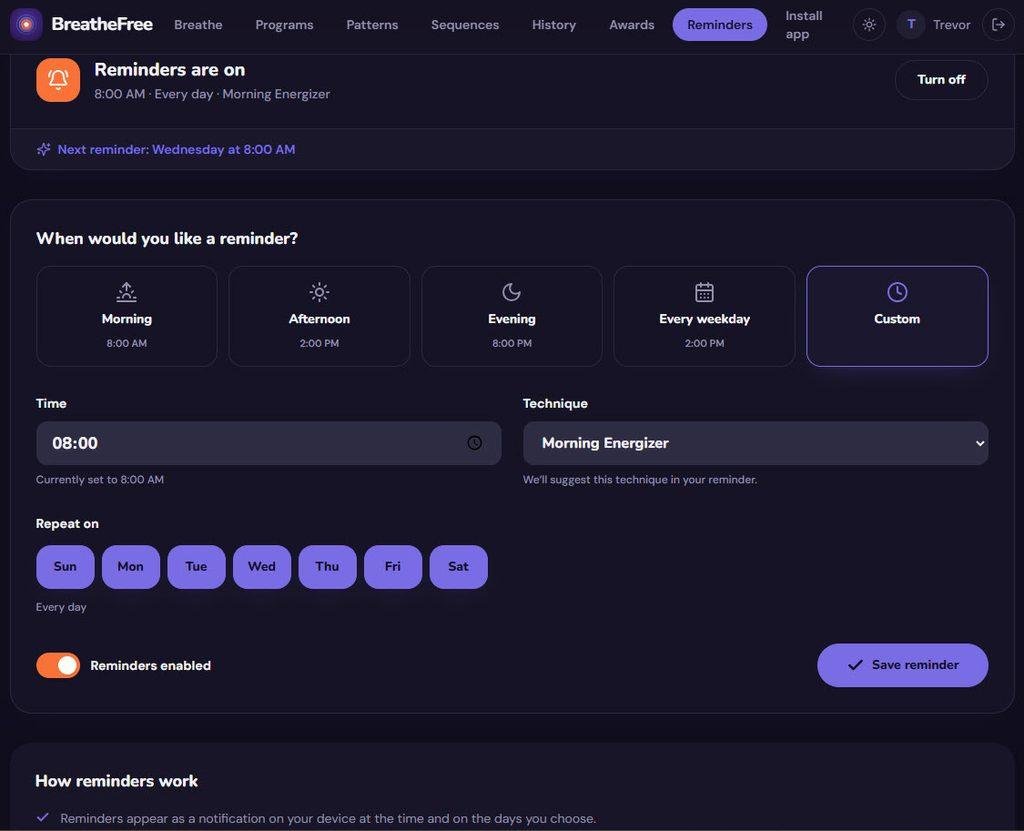
- Use reminders. Many apps and wearable devices now include breathing exercise reminders, which can help you stay consistent.
What the Science Says About Breathwork
The scientific literature on breathwork has grown substantially. Below is an overview of key findings from recent research.
Meta-Analyses and Systematic Reviews
A systematic review and meta-analysis published in a peer-reviewed journal examined breathwork in embodied psychotherapies and found moderate to large reductions in anxiety, depression, and perceived stress, along with moderate to large increases in heart-rate variability and activation of neural regions involved in emotion regulation.
A narrative review on breathwork for mental health and stress resilience concluded that slow, nasal, diaphragmatic breathing significantly improves vagal tone, heart-rate variability, parasympathetic activity, and emotional control while reducing cortisol, anxiety, stress, and PTSD symptoms.
Randomized Controlled Trials
A single-blind randomized controlled trial involving paramedicine students found that breathwork improved resilience and psychological well-being while reducing anxiety, depression, stress, and insomnia scores.
Another randomized controlled trial found that a six-week conscious connected breathwork program produced large reductions in anxiety symptoms, with the intervention group showing a reduction of 10.56 points compared to 1.89 in the control group.
Research published in Scientific Reports noted that a meta-analysis of randomized controlled trials showed breathwork was connected to lower stress, anxiety, and depression versus non-breathwork controls, with over 75% of trials focusing primarily on slow breathwork techniques.
Pranayama and Pulmonary Function
A systematic review of randomized controlled trials found that volitional yoga breathing (pranayama) significantly improves pulmonary function in both healthy individuals and patients with COPD and other conditions.
Research Limitations
While the evidence is promising, it is important to note several limitations. Many studies have relatively small sample sizes, and the field still lacks standardization in how breathwork interventions are defined and delivered. Some research relies on self-reported outcomes, which can be influenced by expectation effects. More large-scale, long-term studies are needed to fully understand the mechanisms and optimal protocols for different conditions.
Safety Considerations and Precautions
Breathwork is generally safe for most healthy individuals when practiced gently and sensibly. However, certain techniques and intensities are not appropriate for everyone.
Who Should Exercise Caution
Certain breathwork practices can be moderately intensive and may not be appropriate for everyone. According to safety guidelines, individuals with the following conditions should consult a healthcare professional before beginning intensive breathwork practices:
- Pregnant women
- Persons with cardiovascular problems, including angina or a history of heart attack
- Individuals with high blood pressure
- Those with glaucoma or retinal detachment
- Individuals with osteoporosis
- Persons with a history of seizures or stroke
- Anyone with a diagnosed psychiatric condition
These cautions apply primarily to more intensive practices such as breath holds and controlled hyperventilation. Gentle diaphragmatic breathing is generally considered safe for most people.
General Safety Tips
- Start slowly. Begin with five minutes a day and gradually increase duration as you feel comfortable.
- Never force the breath. Breathwork should never cause distress or severe discomfort. Air hunger should remain mild.
- Stop if symptoms worsen. If you experience dizziness, chest discomfort, or any other concerning symptom, stop immediately and return to normal breathing.
- Avoid breath-holding contests and underwater breath-holding. These practices carry specific risks and should be avoided, particularly without trained supervision.
- Work with a qualified professional if you have health concerns. If you have a medical condition or significant symptoms, the safest approach is gentle, age-appropriate practice led by a qualified professional.
Potential Side Effects
Some people may experience temporary lightheadedness, tingling in the hands or feet, or a sense of unreality during or after intensive breathwork. These effects are usually brief and resolve when normal breathing resumes. If they persist or cause concern, discontinue the practice and consult a healthcare professional.
Key Takeaways
- Breathwork is the deliberate practice of controlling your breathing pattern to influence your mental and physical state.
- Research supports breathwork for reducing anxiety, depression, and stress, and for improving heart-rate variability and emotional regulation.
- Slow diaphragmatic breathing and paced breathing protocols appear to have the most robust evidence behind them.
- Beginners can start with five minutes of diaphragmatic breathing per day and gradually explore other techniques.
- Breathwork is generally safe, but intensive practices are not appropriate for everyone. Consult a healthcare professional if you have a medical condition.
- Consistency matters more than intensity. A few minutes daily is a meaningful start.
- Breathwork is a complementary practice, not a replacement for medical treatment.
Frequently Asked Questions About Breathwork
What is the difference between breathwork and meditation?
Meditation typically involves observing your thoughts and sensations without trying to change them. Breathwork involves actively changing your breathing pattern to produce a specific effect. That said, the two practices overlap. Many meditation traditions use breath awareness as an anchor, and many breathwork techniques cultivate a meditative quality of focused attention.
How often should I practice breathwork to see benefits?
Research suggests that even brief daily practice can produce benefits. One study found that daily five-minute breathing practices over one month significantly improved mood and reduced anxiety. Starting with five minutes a day and building from there is a reasonable approach for most people.
Can breathwork replace medication or therapy for anxiety?
No. Breathwork is a complementary practice, not a replacement for professional medical or psychological treatment. If you are experiencing significant anxiety or other mental health symptoms, please consult a qualified healthcare provider. Breathwork can be a useful adjunct to other forms of care, but it should not be used as a substitute.
Why do some breathwork techniques involve holding the breath?
Breath retention is used in some techniques to influence carbon dioxide levels and train tolerance to mild air hunger. However, breath-holding practices are not appropriate for everyone and should be approached with caution, especially by those with cardiovascular conditions, seizures, or other medical concerns. Gentle breath retention within comfortable limits is generally considered safe for healthy individuals, but it is best learned under qualified guidance.
What should I do if I feel dizzy during breathwork?
Stop the practice immediately and return to your normal breathing pattern. Dizziness during breathwork often results from breathing too quickly or too deeply, which can alter blood gas levels. Lie down if needed and allow your breathing to normalize. If dizziness persists or is accompanied by chest pain, shortness of breath, or other concerning symptoms, seek medical attention.
Health Disclaimer
The content of this post is provided for informational purposes only. It is essential to consult with a qualified healthcare professional before making any decisions regarding your health or wellness. The author is not a licensed medical professional, and this information should not be considered medical advice.
Final Engagement Question
Have you tried breathwork before? Which technique worked best for you, and what changes did you notice? Share your experience in the comments below.
If you want assistance with this article, please Contact Us
IMPORTANT: Get your totally FREE, no credit card required ever, BreatheFree app, courtesy of TotalMindshift!