
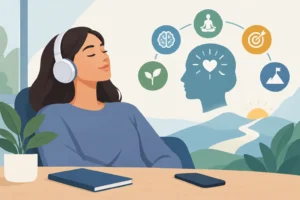

Thought For The Week

"Most people pay more for what goes on their head, than what goes in it"

How to Develop a Positive Mindset for Sexual Health and Wellness


Sexual health is often reduced to the absence of disease or discomfort, but it encompasses far more. According to the World Health Organization, sexual health is fundamental to the overall health and well-being of individuals, couples and families. It requires a positive and respectful approach to sexuality and sexual relationships, as well as the possibility of having pleasurable and safe sexual experiences, free of coercion, discrimination and violence. At its core, sexual health depends on the fulfilment of certain human rights. Developing a positive mindset around sexual health can transform how you experience intimacy, pleasure, and your own body.

What Is a Positive Sexual Health Mindset?

A positive sexual health mindset is not a single, officially defined term, but it draws on established principles from health authorities. The WHO defines sexual health as a state of physical, emotional, mental and social well-being in relation to sexuality. The Minnesota Department of Health adds intellectual and spiritual dimensions, emphasizing that sexual health goes beyond the absence of disease. Adopting this multidimensional view means recognising that your thoughts, beliefs and attitudes about sex directly influence your overall well-being. A positive mindset involves respecting yourself and others, seeking safe and consensual experiences, and approaching sexuality as a natural, life-long part of being human.

How Your Mindset Shapes Your Sexual Well-Being

Research from the University of Bath indicates that mindset variation in adherence to social norms influences experiences in a sexual health programme. This suggests that the way you think about sex, your body, and your relationships can affect not only your emotional comfort but also your willingness to engage in healthy practices. A rigid or shame-based mindset can create barriers to open communication and seeking help. Conversely, a flexible, positive mindset allows you to navigate challenges with greater confidence and reduces the likelihood of avoiding important health checks or conversations.

meditation woman
Photo by Zulfugar Karimov on Pexels

The Impact of Mental Health on Sexual Health

Mental health conditions such as anxiety and depression can significantly impact sexual desire and pleasure. According to Eddystone Trust, anxiety can lead to reduced libido, performance anxiety, and physical symptoms like rapid heart rate that interfere with sexual pleasure. Depression can cause decreased libido, fatigue, and negative body image. These effects are not merely physical; they are closely tied to how you perceive yourself and your partner. A positive sexual health mindset involves acknowledging these links and seeking appropriate support, whether through therapy, lifestyle changes, or open dialogue with a healthcare provider.

Anxiety and Sexual Desire

Anxiety triggers the body’s stress response, which can make relaxation and arousal difficult. Performance anxiety, in particular, creates a cycle of worry that diminishes enjoyment. Recognising that anxiety is a common barrier and that it can be managed is the first step. Mindset techniques such as mindfulness, breathing exercises, and cognitive reframing can help calm the nervous system and restore a sense of safety in intimate moments.

Depression and Body Image

Depression often distorts self-perception, leading to negative body image and low self-worth. This can make you feel disconnected from your body and less interested in sex. A mindset that prioritises self-compassion and realistic expectations can counteract these effects. Small, consistent steps such as gentle physical activity, self-care routines, and affirming self-talk can gradually rebuild a positive relationship with your body.

The Multidimensional Nature of Sexual Health

Sexual health includes emotional, psychological, physical, intellectual and spiritual dimensions. The WHO framework highlights physical, emotional, mental and social well-being, while the Minnesota Department of Health broadens the scope to include intellectual and spiritual aspects. This means that a positive sexual health mindset involves more than avoiding infections or addressing dysfunction. It encompasses learning about sexuality, fostering emotional connection with partners, and aligning your sexual expression with your values. Viewing sexual health as a holistic part of your life empowers you to make informed, confident choices.

sexual health
Photo by Vitaly Gariev on Pexels

Common Sexual Health Challenges and the Role of Mindset

Men’s sexual health can be affected by conditions such as erectile dysfunction, premature or delayed ejaculation, and low sex drive. According to Bupa, erectile dysfunction can have psychological causes or be caused by conditions such as high blood pressure and diabetes. Premature ejaculation is usually due to psychological reasons such as anxiety and stress, but also oversensitivity. Low sex drive can be caused by stress, anxiety, depression, low testosterone levels, or general health issues. In all these cases, mindset plays a role. Shame or embarrassment can prevent people from seeking help, while a proactive, open attitude encourages early intervention and better outcomes. Similarly, sexually transmitted infections (STIs) such as chlamydia, the most common STI in the UK, require a mindset that prioritises regular testing and honest communication with partners.

develop positive mindset
Photo by Ann H on Pexels

Cultivating a Healthier Sexual Health Mindset

Developing a positive sexual health mindset is an active process. Start by recognising that sexual health is relevant throughout your lifespan and expressed through diverse sexualities and forms of sexual expression. Embrace the idea that sexual health is critically influenced by gender norms, roles, expectations and power dynamics, and work to challenge internalised stereotypes that limit your potential for pleasure and connection. Studies indicate that positive sexual health indicators are significantly associated with lower depression and anxiety, and higher quality of life. Engaging in a healthy sex life can improve mood, enhance emotional connection, boost self-esteem, and provide stress relief. Practical steps include educating yourself about your body, communicating openly with partners, practising self-care, and seeking professional help when needed. Remember, sexual health involves respect, safety and freedom from discrimination and violence. A mindset grounded in these values creates a foundation for fulfilling intimate experiences.

Frequently Asked Questions

Can anxiety really affect my sex drive?

Yes, anxiety can lead to reduced libido, performance anxiety, and physical symptoms like rapid heart rate that interfere with sexual pleasure. These effects are common and manageable with the right support, including therapy and relaxation techniques.

Are sexual health problems only physical?

No, sexual health problems often have psychological components. For example, premature ejaculation is usually due to psychological reasons such as anxiety and stress. Addressing your mindset and emotional well-being is an essential part of treatment.

Does a positive mindset guarantee better sexual health?

A positive mindset is one important factor among many. Sexual health also depends on physical health, respectful relationships, freedom from violence, and access to healthcare. A positive mindset helps you navigate these other factors more effectively.

Cultivating a positive sexual health mindset is a journey that benefits every area of your life. By embracing a respectful, informed, and compassionate approach to your sexuality, you open the door to greater well-being, deeper connections, and lasting confidence.

If you want assistance with this article, please Contact Us

Social Media Success Agency
Scroll to Top

Fill Out Exercise

INTRODUCTION

This workbook is your private space for honest self-reflection. Take your time with each section. Write as much or as little as feels authentic to you. Your mentor will review your responses to better understand how to support you, but this is ultimately for your own growth and clarity.

Checkboxes

By signing below, I confirm my commitment to this life audit process:

Looking at your scores:

  • - Which area surprised you (higher or lower than expected)?
  • - Which low score bothers you the most?
  • - Which high score are you most grateful for?
  • PRACTICAL PREPARATION
    Checkboxes

    SUBMISSION NOTES Before submitting, ensure you have:

  • 1- Completed all sections
  • 2- Been honest in your responses
  • 3- Saved a copy for yourself
  • 4- Named the file correctly
  • Thank you for your openness and commitment. Your mentor will review this and provide feedback within 48 hours.

    INTRODUCTION

    This workbook will guide you through a detailed exploration of the 12 Life Domains. Take your time with each section. Be specific in your responses - vague answers lead to vague results.

    Before we dive deep, here are the 12 domains you'll be exploring:

    1. Professional Life & Career - Your work, skills, and professional identity
    2. Financial Wellness - Money mindset, habits, and security
    3. Physical Health - Body, energy, and vitality
    4. Mental & Emotional Wellbeing - Mindset, resilience, and inner peace
    5. Community – Friends and social connections
    6. Love & Partnership - Romantic life and intimacy
    7. Environment & Lifestyle - Daily routines and living space
    8. Purpose & Identity - Core values and life meaning
    9. Growth & Learning - Personal development and future vision
    10. Family Relationships – how you get on with parents, siblings etc.
    11. Hobbies – what you enjoy doing or would like to do
    12. Nutrition – your body’s fuel

    PART 4: PRIORITY SETTING

    Rank your domains by priority for improvement (1 = highest priority):

    Explain your top 3 priorities:

    SUBMISSION CHECKLIST
    Checkboxes

    INTRODUCTION

    This workbook guides you through a comprehensive examination of your professional life. Answer each question thoroughly - surface-level responses lead to surface-level insights.

    1. Describe your current professional situation:

    2. On a scale of 1-10, rate these aspects of your current work:

    3. Describe a typical workday from start to finish. How do you feel at each stage?

    4. What percentage of your work time is spent on: (Should total 100%)

    5. Complete these sentences

    1. List your last 3-5 positions and why you left each one

    Position 1

    Position 2

    Position 3

    Position 4

    Position 5

    5. What stories do you tell yourself about your career?

    5. What stories do you tell yourself about your career?

    1. What are your top 5 professional values?

    2. How well does your current work honour these values?

    2. What fears hold you back professionally?
    1. Based on everything above, what needs to change?
    SUBMISSION CHECKLIST
    Checkboxes

    INTRODUCTION

    This workbook explores your relationship with money - not just the numbers, but the beliefs, emotions, and patterns that drive your financial decisions. Answer honestly without judgment.

    1. When you think about money, what emotions come up?

    Complete these sentences:

    1. Growing up, money in my family was

    2. What did your parents/caregivers teach you about money through their words?

    3.What did they teach you through their actions?

    1. Do you know your exact: (Yes/No)

    3. Rate your financial health in these areas (1-10):

    4. What percentage of your income goes to (Should total 100%)

    5. Do you have:

    PART 4: SPENDING & EARNING PATTERNS

    1. What triggers you to spend money? (Check all that apply)
    4. How do you feel about your earning potential?
    2. Are you the one who: (Check all that apply)
    SUBMISSION CHECKLIST
    Checkboxes

    INTRODUCTION

    This workbook explores your relationship with your body and physical health. Approach each question with curiosity and compassion, not judgment. Your body is your lifelong partner - this is about understanding and supporting it better.

    1. Overall, how do you feel in your body right now? ( select one )
    4. What physical symptoms do you regularly experience? (Check all that apply)
    1. How would you describe your relationship with your body?
    1. How often do you engage in intentional movement/exercise?
    3. What prevents you from moving more? (Check all that apply)
    5. What's your relationship with exercise?

    PART 4: NUTRITION & NOURISHMENT

    3. What affects your sleep? (Check all that apply)
    4. How rested do you feel upon waking?
    How often do you listen to these signals?
    SUBMISSION CHECKLIST
    Checkboxes

    INTRODUCTION

    This workbook explores your inner world - your thoughts, emotions, and mental patterns. Approach each question with gentle curiosity. There's no judgment here, only understanding.

    1. How would you describe your typical mental state? (Circle all that apply)
    4. How do you typically handle difficult emotions?

    PART 3: THOUGHT PATTERNS

    1. What kind of self-talk dominates your mind?
    2. Common thoughts that run through your mind: (Check all that apply)
    3. How does stress manifest for you? (Check all that apply)
    4. Current coping strategies: (Check all you use)
    4. How often do you prioritize mental health?
    SUBMISSION CHECKLIST
    Checkboxes

    INTRODUCTION

    This workbook explores your social ecosystem - the relationships and connections that shape your life. Be honest about both the gifts and challenges in your relationships.

    2. Looking at your list:

    3. Rate the overall quality of your:

    1. In relationships, I tend to be the one who: (Check all that apply)
    2. What role do you typically play in groups?
    1. How would you describe your friendship circle?
    1. In relationships, are you better at:
    SUBMISSION CHECKLIST
    Checkboxes

    INTRODUCTION

    This workbook explores your intimate romantic world. Approach each question with honesty and compassion. Love is vulnerable territory - be gentle with yourself as you explore.

    1. My current relationship status:
    1. In relationships, I tend to: (Check primary pattern)
    4. Are you single because
    SUBMISSION CHECKLIST
    Checkboxes

    INTRODUCTION

    This workbook explores how your physical environment and daily lifestyle either support or hinder your wellbeing. Examine your spaces and routines with fresh eyes.

    2. What specific things in your environment bother you? (Check all that apply)

    Complete this declaration:

    SUBMISSION CHECKLIST
    Checkboxes

    INTRODUCTION

    This workbook explores the deepest questions: Who are you really? Why are you here? What matters most? Approach these questions with openness and patience. Your truth may surprise you.

    1. From this list, Check your top 10 values:
    SUBMISSION CHECKLIST
    Checkboxes

    INTRODUCTION

    This workbook explores your relationship with growth, learning, and personal evolution. Discover how you expand best and what's calling you forward.

    1. When faced with a challenge, my first thought is usually:
    2. My ideal learning environment includes:
    1. When something gets difficult, I typically:
    2. My relationship with failure is:
    1. What motivates you to grow? (Check all that apply)
    2. What stops you from growing? (Check all that apply)
    SUBMISSION CHECKLIST
    Checkboxes

    INTRODUCTION

    This workbook helps you identify patterns across all 12 domains and discover the root causes behind your challenges. Have your previous workbooks nearby for reference. (Some domains are outlined in the same workbook i.e., Relationships and Family, Physical Health and Nutrition, Environment and Lifestyle and Hobbies)

    1. I consistently tend to: (Check all that apply)
    3. My dominant emotional pattern is:

    (Create your own connections)

    SUBMISSION CHECKLIST
    Checkboxes

    INTRODUCTION

    This workbook synthesizes all your discoveries into a comprehensive Life Diagnosis. Be thorough and honest - this becomes your transformation roadmap.

    Trending
    SUBMISSION CHECKLIST
    Checkboxes

    INTRODUCTION

    This workbook guides you through creating your Life Architecture - the complete blueprint for your transformation. Build thoughtfully; this becomes your roadmap.

    1. Write 2-3 specific sentences about your transformed life:

    PROFESSIONAL LIFE & CAREER

    FINANCIAL WELLNESS

    PHYSICAL HEALTH

    MENTAL & EMOTIONAL WELLBEING

    RELATIONSHIPS & COMMUNITY

    LOVE & PARTNERSHIP

    ENVIRONMENT & LIFESTYLE

    PURPOSE & IDENTITY

    GROWTH & LEARNING

    MONTH 1-3 FOCUS:

    MONTH 4-6 FOCUS:

    MONTH 7-9 FOCUS

    MONTH 10-12 FOCUS:

    1. WHO I need on my team:

    2. WHAT resources I need:

    3. HOW I'll stay on track:

    MY NORTH STAR:

    MY IDENTITY SHIFT:

    MY TOP 3 PRIORITIES:

    MY FIRST 3 ACTIONS:

    This week I will:

    MY COMMITMENT:

    THE ARCHITECT'S DECLARATION

    SUBMISSION CHECKLIST
    Checkboxes